New Scholarship in the Alaska Law Review about Native Corporate Endowment Models

Robert Snigaroff and Craig Richards have posted “Alaska Native Corporation Endowment Models,” published in the Alaska Law Review.

The abstract:

New settlement trust provisions in the Tax Cuts and Jobs Act of 2017 have significant implications for Alaska Native Corporation business longevity and the appropriateness of an operating business model given ANC goals as stated in their missions. The Alaska Native Claims Settlement Act authorized the creation of for-profit corporations for the benefit of Alaska Native shareholders. But for Alaska Natives, cultural continuation was and continues to be a desired goal. Considering the typical life span of U.S. corporations and the inevitability of eventual failure, the for-profit corporate model is inconsistent with aspects of the ANC mission. Settlement trust amendments to ANCSA facilitate ANC cultural continuation goals solving the problem of business viability risk. We make a normative case that ANCs should consider increasing endowment business activity. We also discuss the Alaska Permanent Fund and lessons that those structuring settlement trusts might learn from literature on sovereign wealth funds and endowments.
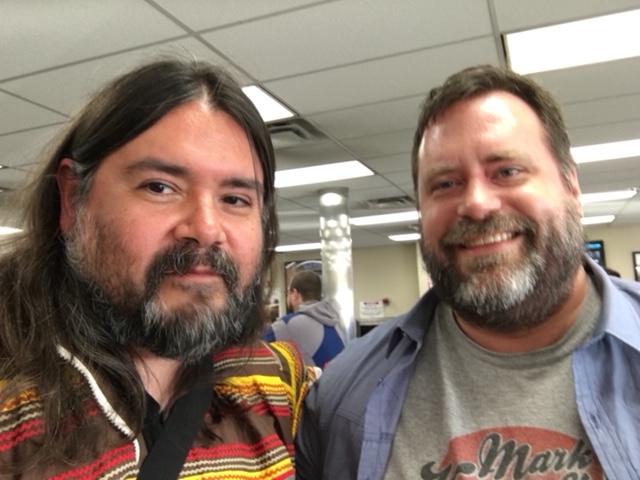
Fletcher and Disco Stu at the Bethel Airport.

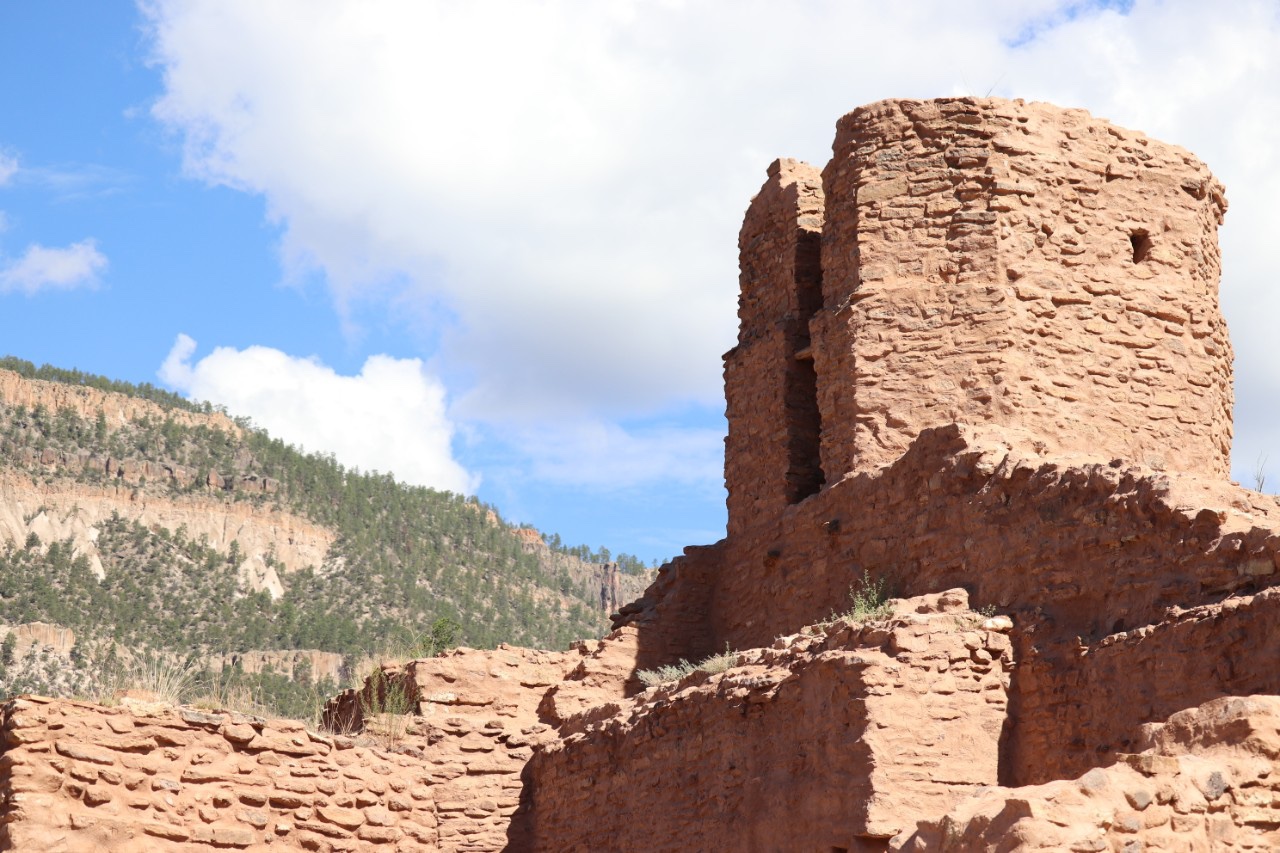
Jemez Pueblo Sues United States over the Post Office

Here is the complaint in Pueblo of Jemez v. United States (D.N.M.):

NOT the post office.
Also NOT the post office, but down the road over in Jemez Springs. Maybe this is where the Indian affairs people went for fun.

Tenth Circuit Dismisses Appeal and Awards Attorney Fees to Iowa Tribe

Here are the materials in Monster Tech. Group v. Eller:

Merits briefs here.

Lower court materials here.

“Re-Indigenizing Yellowstone” in the Wyoming Law Review

Kekek Jason Stark, Autumn L. Bernhardt, Monte Mills, and Jason A. Robison have published “Re-Indigenizing Yellowstone” in the Wyoming Law Review. HIGHLY RECOMMENDED.

Split Ninth Circuit Affirms IGRA Good Faith Suit in Favor of Chicken Ranch Rancheria

Here is the opinion Chicken Ranch Rancheria of Me-Wuk Indians of California v. State of California.

Briefs here.

FLOW Livestream Event on Line 5 at 11AM Today

Here:

Hear about recent developments in the widespread effort to shut down Enbridge’s Line 5 in the Straits of Mackinac and stop the proposed oil tunnel. Presenters will answer questions from attendees.

Panelists

  • Liz Kirkwood, FLOW Executive Director  – Host
  • Whitney Gravelle, President, Bay Mills Indian Community
  • Zach Welcker, FLOW Legal Director
  • Sean McBrearty, Campaign Coordinator, Oil & Water Don’t Mix.

This event is occurring just after the 12th anniversary of the Enbridge Line 6B Kalamazoo River oil spill disaster. At the Straits of Mackinac, Enbridge Line 5 poses a dire threat in what University of Michigan scientists called “the worst possible place for an oil spill in the Great Lakes.”

Oglala Sioux Tribe Sues BIA over Law Enforcement Contract

Here are the materials in Oglala Sioux Tribe v. United States (D.S.D.):

Eighth Circuit Dismisses South Dakota’s Appeal of the Mount Rushmore Fireworks Ban

Here is the opinion in Noem v. Haaland.

Briefs here and here.

Scholars’ Circle Interviews: Bob Miller, Liz Reese, and Fletcher on Castro-Huerta

Here. It’s like a podcast thing-y.

Alex Skibine Publishes “Textualism and the Indian Canons of Statutory Construction” . . .

. . . in the University of Michigan Journal of Law Reform (Go Blue). PDF

Here is the abstract:

When interpreting statutes enacted for the benefit or regulation of Indians or construing treaties signed with Indian nations, courts are supposed to apply any of five specific canons of construction relating to Indian Affairs. Through examining the modern line of Supreme Court cases involving statutory or treaty interpretation relating to Indian nations, this Article demonstrates that the Court has generally been faithful in applying canons relating to treaty interpretation or abrogation. The Court has also respected the canon requiring unequivocal expression of congressional intent before finding an abrogation of tribal sovereign immunity. However, there are two other canons that the Court almost never applies. One, the tribal sovereignty canon, requires clear intent to interfere with tribal sovereign rights; the other, the Indian ambiguity canon, requires statutes to be construed liberally with ambiguities resolved to the benefit of Indians. After reviewing the possible reasons why textualist jurists might be opposed to the use of substantive canons, this Article makes two arguments to remedy any reluctance to using the tribal sovereignty and Indian ambiguity canons. First, these canons have constitutional roots, and as such, even textualists on the Court should not be reluctant to use them. Second, the more established canon concerning abrogation of tribal sovereign immunity should also extend to statutes interfering with tribal sovereign rights. There are no normative reasons to treat abrogation of sovereign immunity differently than other statutory interference with tribal sovereignty.