Fletcher on Pandemics and the Making of a Tribal State

My draft paper, “Pandemics in Indian Country: The Making of the Tribal State,” part of a symposium on John Fabian Witt’s American Contagions book hosted by the St. Thomas Law Journal, is available on SSRN.

The abstract:

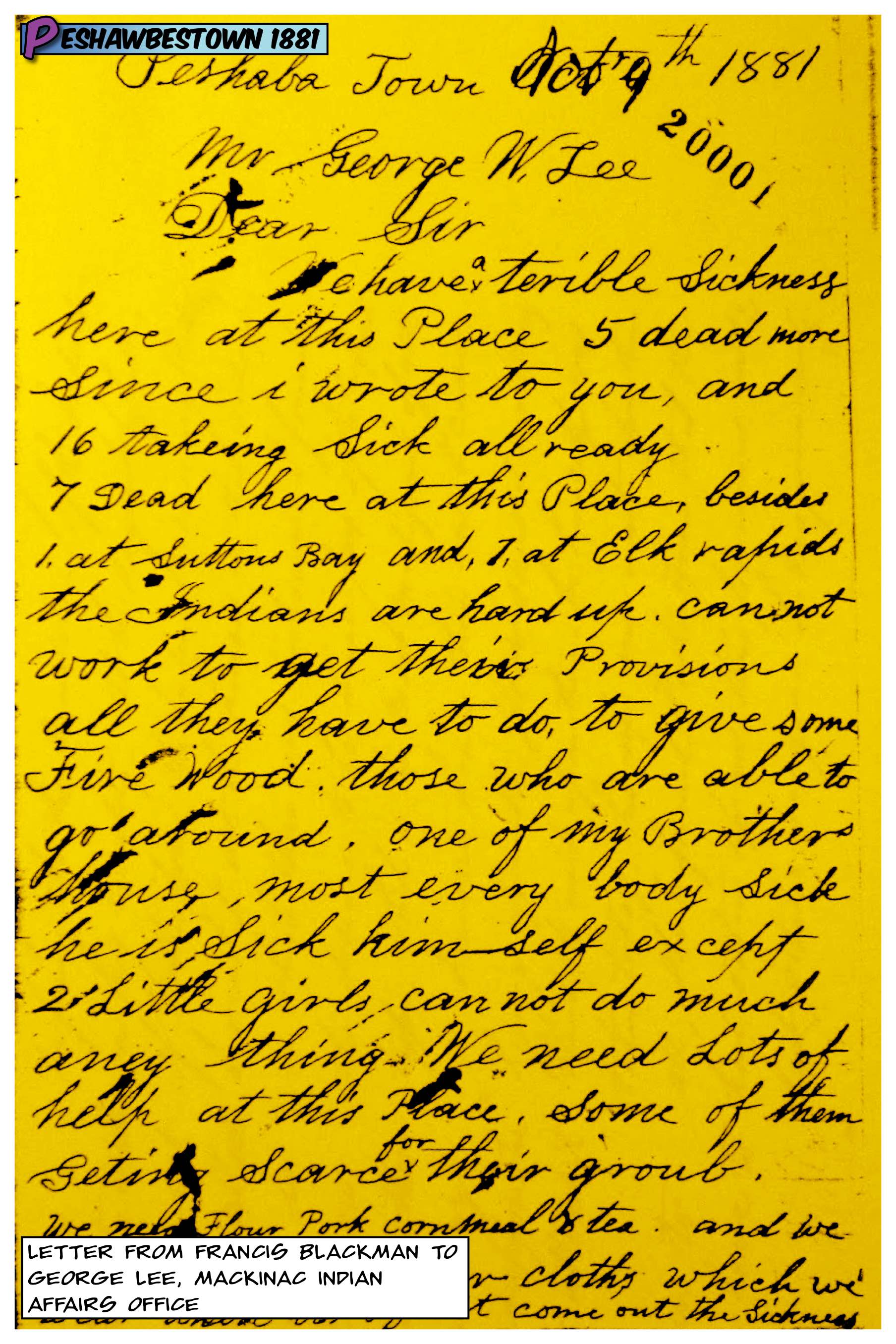
This Essay is inspired by the fascinating narrative told by John Fabian Witt theorizing how epidemics make states and how states can also make epidemics. The two stories centered in Peshawbestown, Michigan of the 1881 smallpox outbreak and the 2020-2021 COVID-19 pandemic seems to play into that story. The state (acting through the local and federal government) made the 1881 outbreak fatal, while the epidemic (acting through the tribal and federal government) made the state (in this case, the tribe) in 2020-2021. The story here seems to be one of sovereignty. In the smallpox era, the tribes exercised almost no sovereignty. Now they are practically self-governing; the incredible success of the Grand Traverse Band is a ringing endorsement. The tribe is acting like a capable and responsive government. But I argue there is more going on here. Sovereignty – whether liberal or authoritarian, in Witt’s words – is the first step in the analysis, but not the last. Culture is the second step.
This Essay intends to gently disrupt Professor Witt’s theory by superimposing Anishinaabe political theory on American Contagions. The very notion of sovereignty is foreign to Anishinaabe. Western political theory insists on the power of a sovereign entity to enforce a social contract or else society will collapse. Anishinaabe political theory does not. The difference matters.
Ninth Circuit Materials in Slockish v. FHA

Here:

Opening Brief

Indian Law Scholars Amicus Brief

Religious Groups Amicus Briefs

Religious Liberty Scholars Amicus Brief

Federal Answer Brief

Reply

Lower court materials here.


Hunting and Fishing in Indian Law Today

GTB: Arthur Duhamel
BMIC: Big Abe LeBlanc
GTB: Peter Marks
Boldt Decision

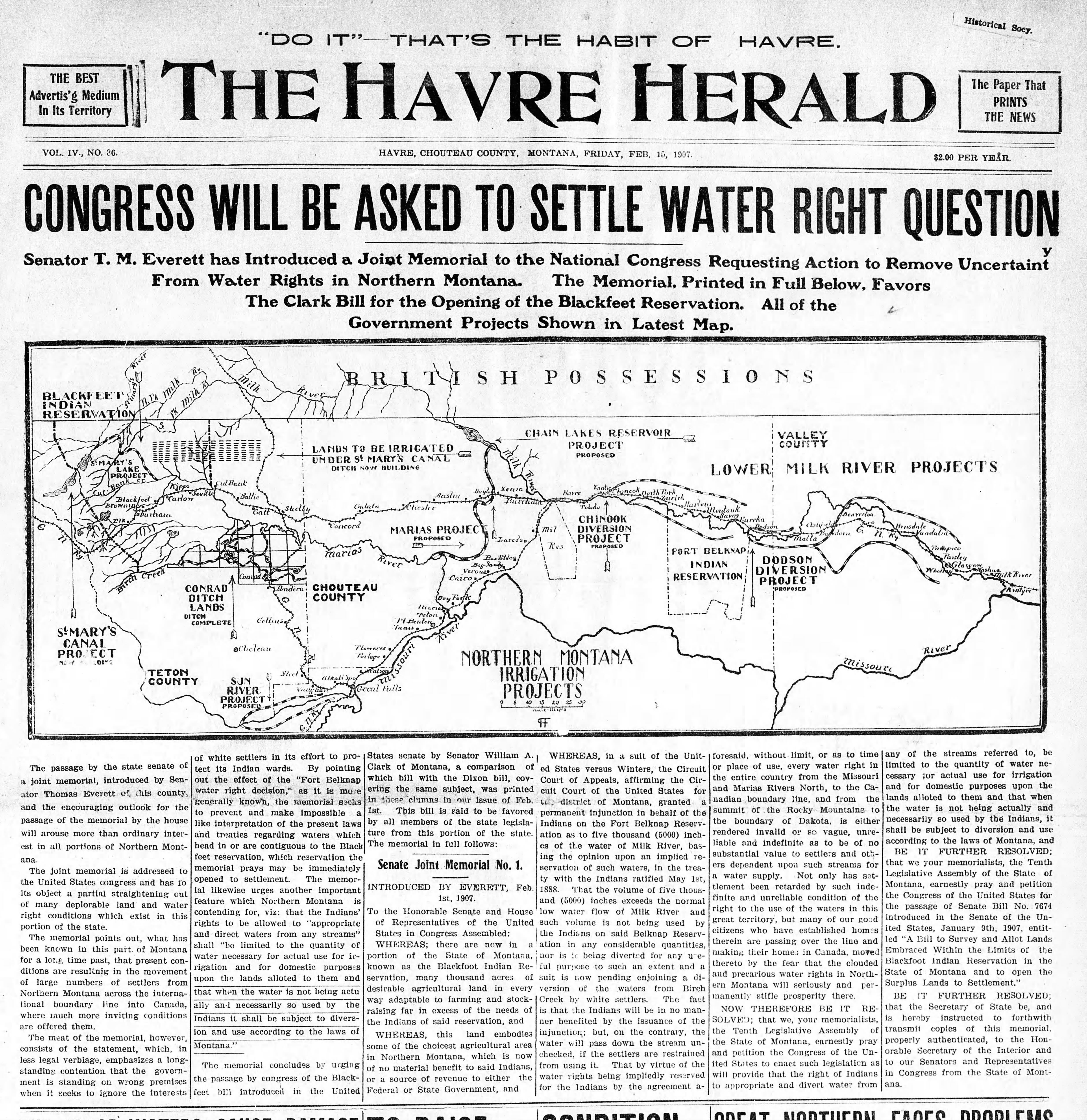
Harvard Law Review Note on United States v. Cooley

Here.

PDF

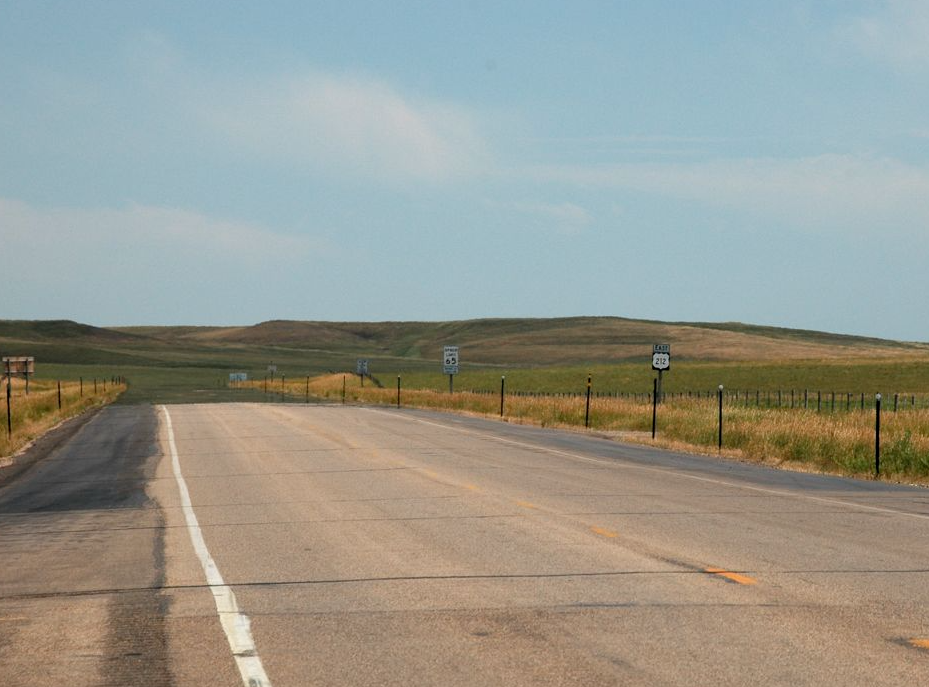
Highway 212

Cert Petition Filed in Challenge to Wilton Rancheria Lands Case

Here is the petition in Stand Up for California! v. Dept. of the Interior:

SUFC! Petition

Question presented:

Whether the Secretary can acquire land in trust on behalf of Indians whose federal supervision was terminated by Congress.

Lower court materials here.

Big Sandy Cert Petition in Tax Case

Here is the petition in Big Sandy Rancheria Enterprises v. Bonta:

Questions presented:

1. Whether an Indian tribe incorporated by federal charter under section 17 of the Indian Reorganization Act of 1934 (25 U.S.C. § 5124) is an “Indian tribe or band with a governing body duly recognized by the Secretary of the Interior” authorized to bring suit under 28 U.S.C. § 1362.

2. Whether the Indian Trader Statutes (25 U.S.C. §§ 261-263) or the Bracker balancing test (see White Mountain Apache Tribe v. Bracker, 448 U.S. 136 (1980)) preempts the State of California’s regulation of intertribal cigarette sales, where an Indian tribe sells tribally manufactured cigarettes to Indian tribal buyers on their home reservations.

Lower court materials here.

Update:

California BIO

Reply

Frank Pommersheim’s NAICJA Keynote

Frank Pommersheim asked us to post his keynote speech from this year’s NAICJA conference, “An Emeritus Prose Podcast: The Pandemic Checkpoints of the Cheyenne River Sioux Tribe: A Teaching Essay.”

Here it is:

The Pandemic Checkpoints of the Cheyenne River Sioux Tribe

An excerpt:

In the Spring of 2020, the Cheyenne River Sioux Tribe (CRST) began implementing a series of limited vehicle checkpoints within the boundaries of the reservation as part of its comprehensive public health response1 to limit the spread of COVID-19. One of the checkpoints was located on a state highway running through the Reservation. There was an immediate uproar in South Dakota. Many people, both Native and non-Native, contacted me and asked, ‘Frank, can the Tribe really do this?’ My answer was ‘yes.’
As the questions about this Tribal public health initiative became increasingly heated, the merits of the health policy were increasingly subsumed in political rhetoric concerning the ‘rights’ of non-Natives and the authority of the state to quash the Tribe’s efforts. The calls kept coming. My answer of ‘yes’ remained the same. Yet the supporting legal analysis was not so easily summarized. No (federal) statute or Supreme Court case unequivocally said yes or no. The answer of ‘yes’ required a careful exegesis of both Supreme Court precedent and the law of the CRST.

Texas COA Orders Injunction on Building Project on Mescalero Apache Peace Camp Grounds

Here are the materials in Grossman v. City of El Paso:

Majority Opinion

Dissent

Appellant Brief

City Response Brief

Appellant Reply

City Reply