Here is the opinion in Tohono O’Odham Nation v. Dept. of the Interior.
Briefs:
Lower court materials here.
Here is the opinion in Tohono O’Odham Nation v. Dept. of the Interior.
Briefs:
Lower court materials here.
Here is today’s order list, with the dissent beginning on page 6.
An excerpt:
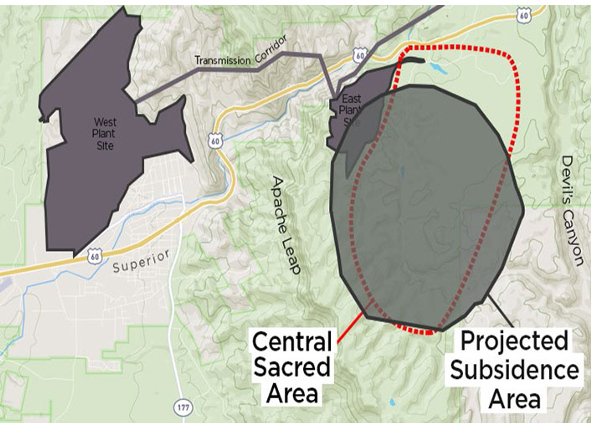
While this Court enjoys the power to choose which cases it will hear, its decision to shuffle this case off our docket without a full airing is a grievous mistake—one with consequences that threaten to reverberate for generations. Just imagine if the government sought to demolish a historic cathedral on so questionable a chain of legal reasoning. I have no doubt that we would find that case worth our time. Faced with the government’s plan to destroy an ancient site of tribal worship, we owe the Apaches no less. They may live far from Washington, D. C., and their history and religious practices may be unfamiliar to many. But that should make no difference. “Popular religious views are easy enough to defend. It is in protecting unpopular religious beliefs that we prove this country’s commitment to . . . religious freedom.” Masterpiece Cakeshop, Ltd. v. Colorado Civil Rights Comm’n, 584 U. S. 617, 649 (2018) (GORSUCH, J., concurring).
Prior posts here,
Here are the materials in Apache Stronghold v. United States (D. Ariz.):
Here are the applications for leave to appeal in In re Application of Enbridge Energy to Replace & Relocate Line 5:
Application for Leave to Appeal
Lower court materials here.

The Headwaters Report – is a new digital blog site, bulletin, and source for Tribal water law information and resources. The Headwaters Report presents accessible information on foundational Tribal water law concepts and practices as well as current and emerging water-related issues.
The first article focuses on the Clean Water Act, a 50-year-old law that, among other things, allows Tribes to assert regulatory jurisdiction over water quality and activities that impact water quality within reservation boundaries. In our next Report update, we plan to address the changes the Trump Administration is attempting to make to the Clean Water Act and how that may affect Tribal Nations.
In the Report you will also find several slide decks on Tribal water rights information, including one on the basics of Tribal water rights, general stream adjudications, and Indian water rights settlements. We intend The Headwaters Report to act not only as a clearinghouse for Tribal water law and policy information, but as a place to bring questions and to get guidance.

Here are the available materials in Koi Nation of Northern California v. City of Clearlake:
City Answer to State Amicus Brief
City Answer to Tribal Amicus Brief

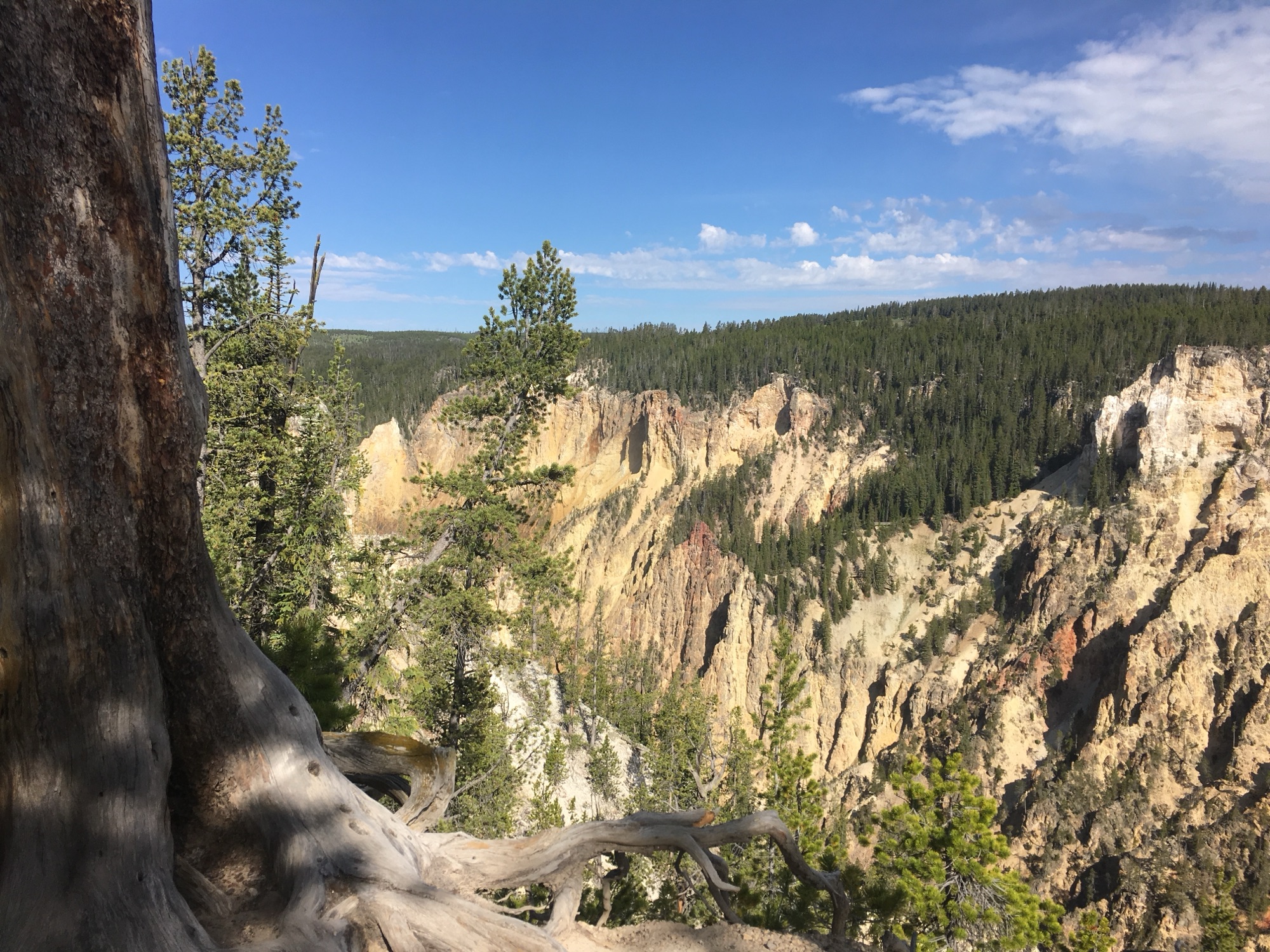
Jason Robison has posted “Equity Along the Yellowstone,” published in the University of Colorado Law Review, on SSRN.
Here is the abstract:
As one of three major rivers with headwaters in the sublime Greater Yellowstone Ecosystem, the Yellowstone and its tributaries are subject to an interstate compact (a.k.a. “domestic water treaty”) litigated from 2007 to 2018 in the U.S. Supreme Court in Montana v. Wyoming. Four tribal nations exist within the 71,000 square‑mile Yellowstone River Basin: the Crow, Eastern Shoshone, Northern Arapaho, and Northern Cheyenne. Yet, the Yellowstone River Compact, ratified in 1951, more than a decade before the self‑determination era of federal Indian policy began, neither affords these tribal sovereigns representation on the Yellowstone River Compact Commission nor clearly addresses the status of their water rights within (or outside) the compact’s apportionment. Such marginalization is systemic across Western water compacts. Devised as alternatives to original actions for equitable apportionment before the U.S. Supreme Court, this Article focuses on the Yellowstone River Compact and its stated purpose of “equitable division and apportionment,” reconsidering the meaning of “equity,” procedurally and substantively, from a present‑day perspective more than a half‑century into the self‑determination era. Equity is a pervasive and venerable norm for transboundary water law and policy contends the Article, and equity indeed should be realized along the Yellowstone in coming years, both by affording the basin tribes opportunities to be represented alongside their federal and state co‑sovereigns on the Yellowstone River Compact Commission, as well as by clarifying the status of and protecting the basin tribes’ water rights under the compact’s apportionment.




You must be logged in to post a comment.