Here are the materials in Monster Tech. Group v. Eller:

Merits briefs here.
Lower court materials here.
Kekek Jason Stark, Autumn L. Bernhardt, Monte Mills, and Jason A. Robison have published “Re-Indigenizing Yellowstone” in the Wyoming Law Review. HIGHLY RECOMMENDED.


Here:
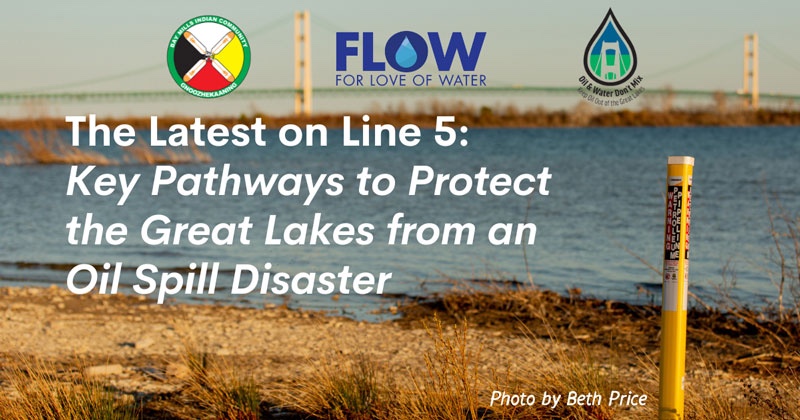
Hear about recent developments in the widespread effort to shut down Enbridge’s Line 5 in the Straits of Mackinac and stop the proposed oil tunnel. Presenters will answer questions from attendees.
This event is occurring just after the 12th anniversary of the Enbridge Line 6B Kalamazoo River oil spill disaster. At the Straits of Mackinac, Enbridge Line 5 poses a dire threat in what University of Michigan scientists called “the worst possible place for an oil spill in the Great Lakes.”
Here are the materials in Oglala Sioux Tribe v. United States (D.S.D.):
Here. It’s like a podcast thing-y.

. . . in the University of Michigan Journal of Law Reform (Go Blue). PDF
Here is the abstract:
When interpreting statutes enacted for the benefit or regulation of Indians or construing treaties signed with Indian nations, courts are supposed to apply any of five specific canons of construction relating to Indian Affairs. Through examining the modern line of Supreme Court cases involving statutory or treaty interpretation relating to Indian nations, this Article demonstrates that the Court has generally been faithful in applying canons relating to treaty interpretation or abrogation. The Court has also respected the canon requiring unequivocal expression of congressional intent before finding an abrogation of tribal sovereign immunity. However, there are two other canons that the Court almost never applies. One, the tribal sovereignty canon, requires clear intent to interfere with tribal sovereign rights; the other, the Indian ambiguity canon, requires statutes to be construed liberally with ambiguities resolved to the benefit of Indians. After reviewing the possible reasons why textualist jurists might be opposed to the use of substantive canons, this Article makes two arguments to remedy any reluctance to using the tribal sovereignty and Indian ambiguity canons. First, these canons have constitutional roots, and as such, even textualists on the Court should not be reluctant to use them. Second, the more established canon concerning abrogation of tribal sovereign immunity should also extend to statutes interfering with tribal sovereign rights. There are no normative reasons to treat abrogation of sovereign immunity differently than other statutory interference with tribal sovereignty.

Here:
Question presented:
Whether an Indian tribal court has subject-matter jurisdiction to adjudicate a tribally created claim as an “other means” of regulating a nonmember federally funded and federally regulated electric cooperative tasked with providing electrical service to all customers within its service territory, including tribal members on Indian reservations?
Lower court materials here.

Update:
Here are the materials in Aquate II v. Myers (N.D. Ala.):



 Turtle Talk
You must be logged in to post a comment.