This paper explores tribal policies towards firearm regulation through four different lenses. First, tribal participation in recent state and federal legislative debates regarding firearm regulation is explored. Second, the essay examines ways that Native Americans continue to be harmed by notions of savagery, including through high rates of victimization of violent crime and high rates of police killings. Third, it explores the historical importance of firearms for many tribal cultures. Finally, tribal firearm regulations are examined, specifically in the context of laws regulating the ability to bring firearms into sensitive spaces and those relating to use of firearms in a threatening manner.
Effective intergovernmental coordination is essential to promoting health and safety. Yet, the current political climate has seen discord between Tribes, states, and the federal government on issues ranging from public health to environmental protection, among countless others. The COVID-19 pandemic has magnified this discord. Many states have challenged Tribal authority to access data, implement quarantine and isolation measures, and establish checkpoints and mask mandates. The federal government has delayed access to COVID-19 data, established burdensome and inconsistent policies for the use of federal response funds, and failed to meet its obligations to provide health care in many American Indian and Alaska Native communities.
As sovereign nations, Tribes have authority and responsibility over their land and people. Modern relationships between Tribes, states, and the federal government are based on the colonization and genocide, legalized by the United States under federal Indian law. Federal Indian law both recognizes Tribal sovereignty but also carves out instances in which a Tribe’s criminal or civil jurisdiction can be infringed. It has allowed federal agencies, Congress, and federal courts to exercise overwhelming authority to determine the scope of Tribal and Indigenous rights. And yet, Native representation in these same branches have been abysmal.
One method for ensuring Tribal and Native perspectives in these decision-making processes has been through Tribal consultation. Consultation is a formal, government-to-government process that requires governments to consult with Tribes before taking actions that would impact them.
Tribal consultation is essential for effective Indian health policy. This article argues for a more robust mechanism for Tribal consultation for health policy issues. Section I briefly describes Tribal governments and their relationship to the federal government. Section II summarizes existing requirements for Tribal consultation under federal and state law. Section III describes the limitations of existing Tribal consultation practices. Finally, section IV describes the impact of inadequate consultation on American Indian and Alaska Native health and offers recommendations for a Tribal consultation framework that fully supports American Indian and Alaska Native health.
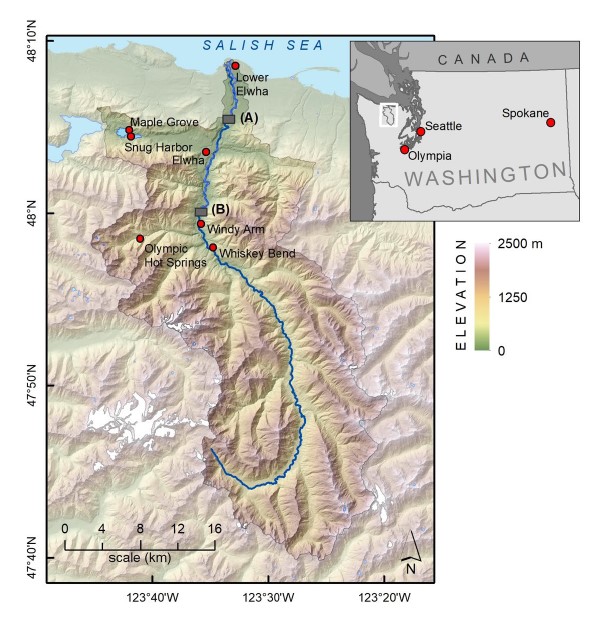
Since the early 1900s, more than 1700 dams have been removed from rivers in the United States. Native American Tribes have played a key role in many significant removals, bringing cultural, economic, and legal resources to bear on the process. Their involvement contrasts with the displacement and marginalisation that have historically characterised the relationship between Native Americans and the dams built by settler – colonial governments on their rivers. Our research investigates Tribal involvement in dam removals, with examples from the Ottaway, Penobscot, and Elwha rivers. We ask the following: what roles have Tribes played in successful removals? How do dam removals affect and reflect shifting relations between Tribal governments and non-Tribal actors? Our research finds that Tribal involvement provides opportunities for inserting underacknowledged values and resource claims into dam removal efforts, and that it facilitates new collaborations and alliances. We also find evidence of Tribal involvement affecting the nature and practice of river restoration through dam removal. We conclude that the involvement of Tribes in dam removal contributes to important shifts in environmental politics in the US, and that it also creates opportunities for restorative environmental justice for Native Americans and their rivers.
HIGHLY recommended.
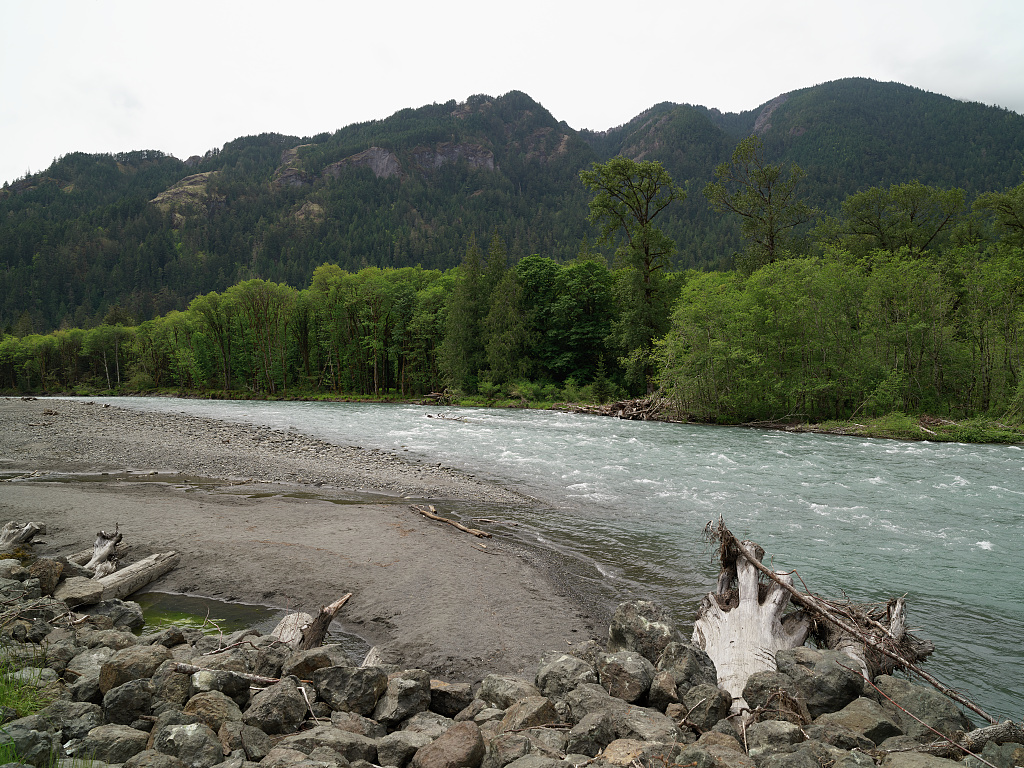
The Elwha River, deep in the Olympic National Forest of Washington State’s Olympic Peninsula, flattens out here but will narrow and add rapid as it heads toward Madison Falls.From the article.From the article.







 Turtle Talk
You must be logged in to post a comment.