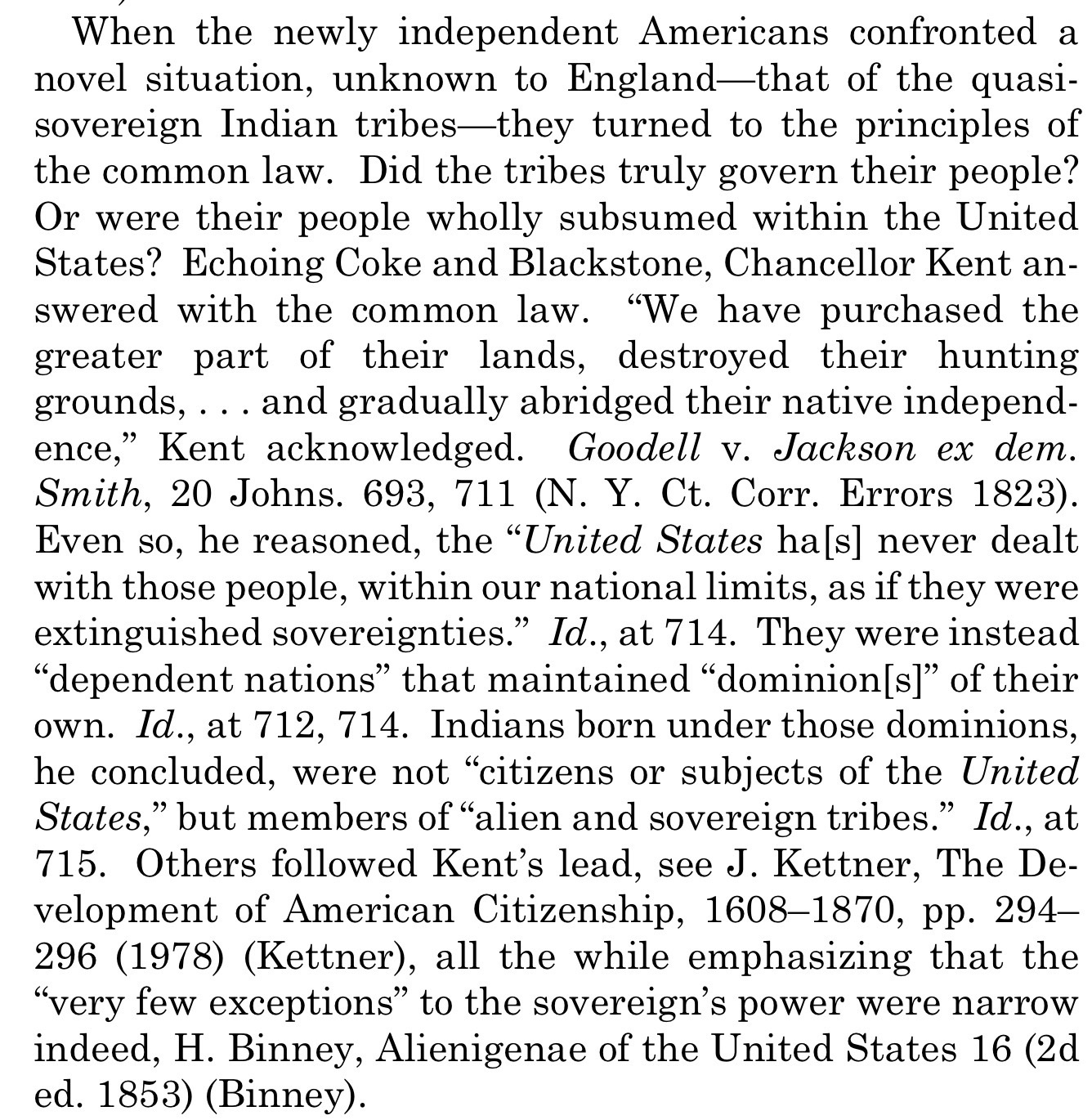
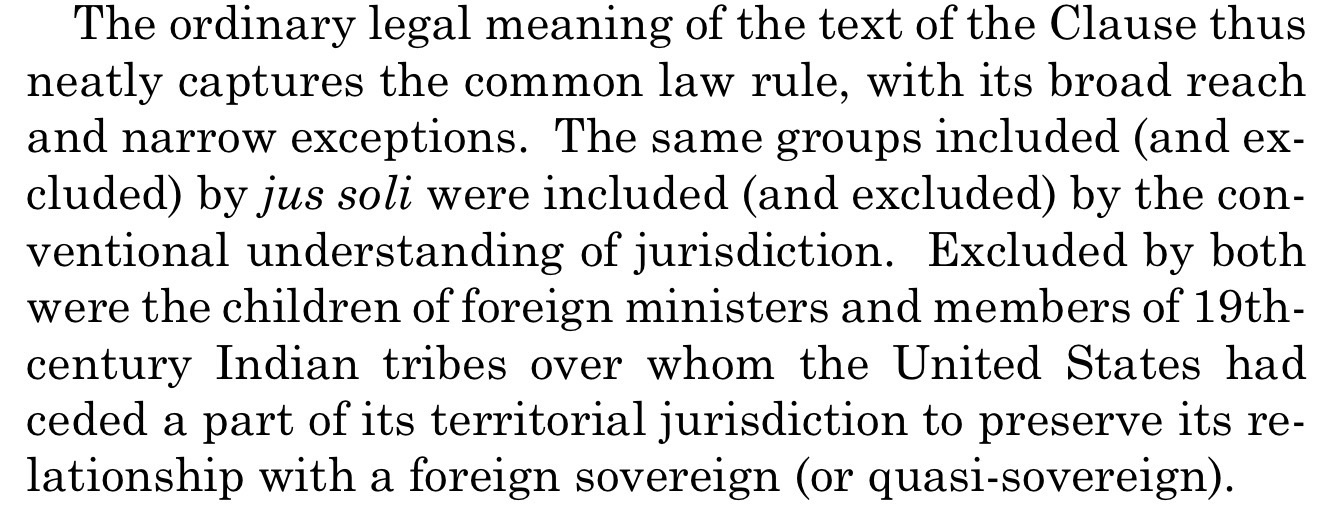
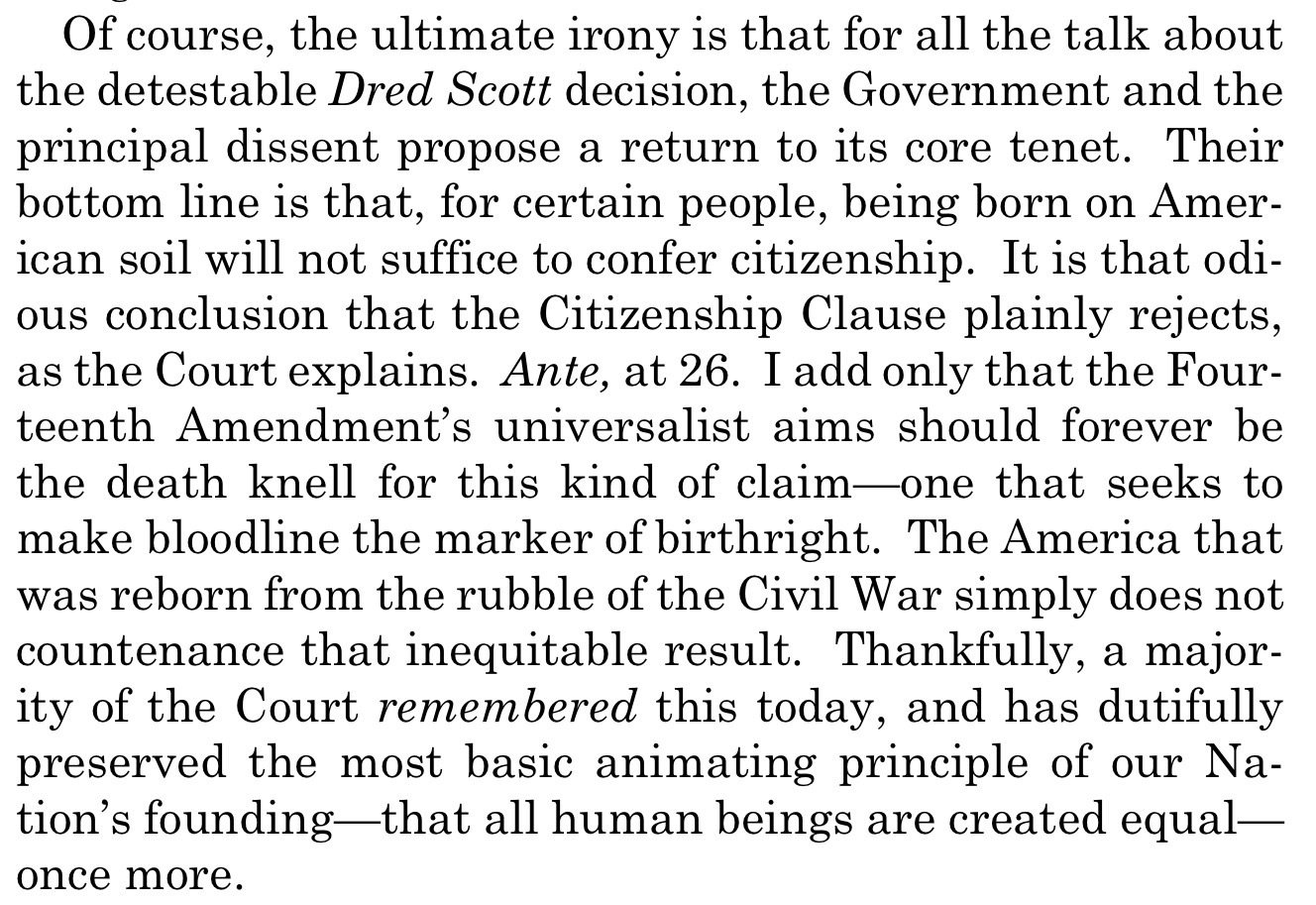
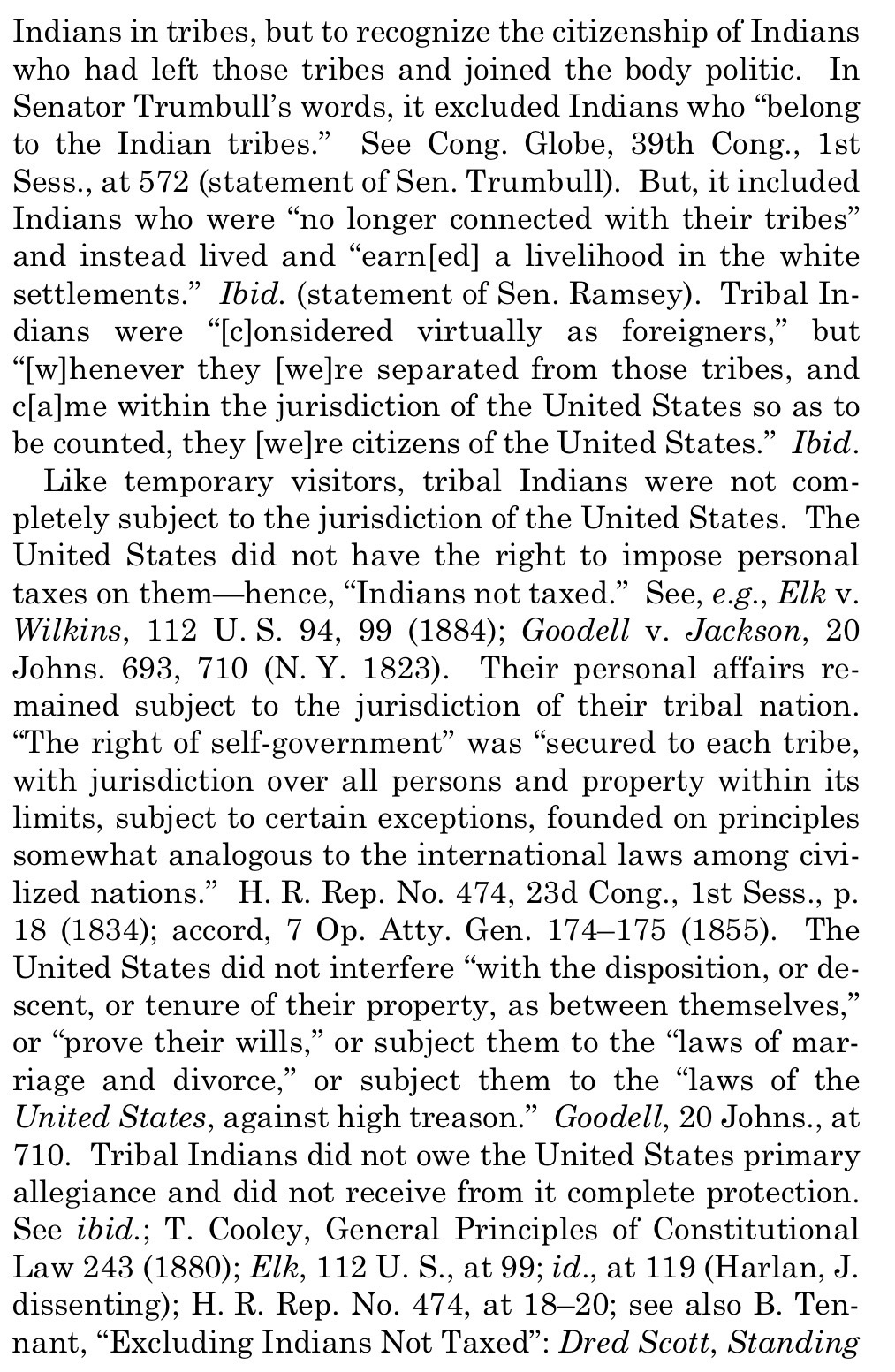
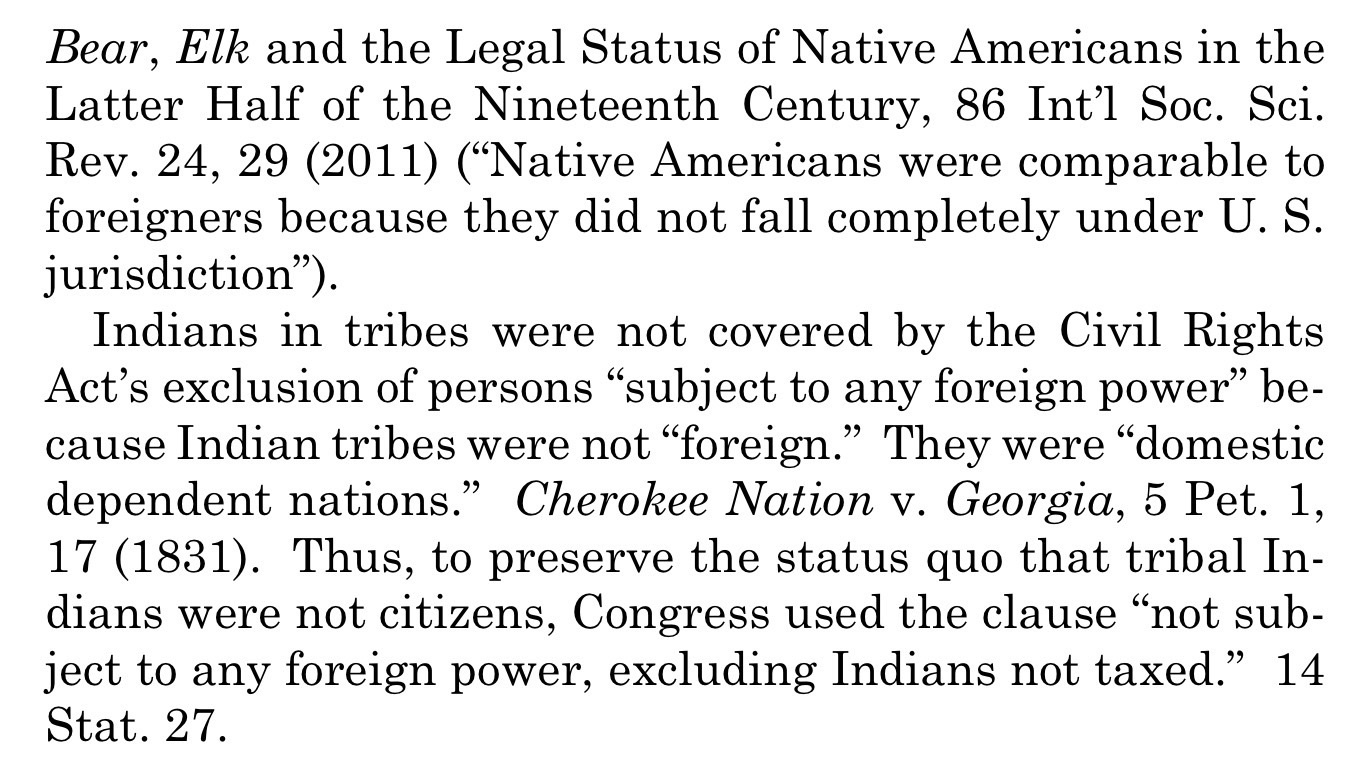
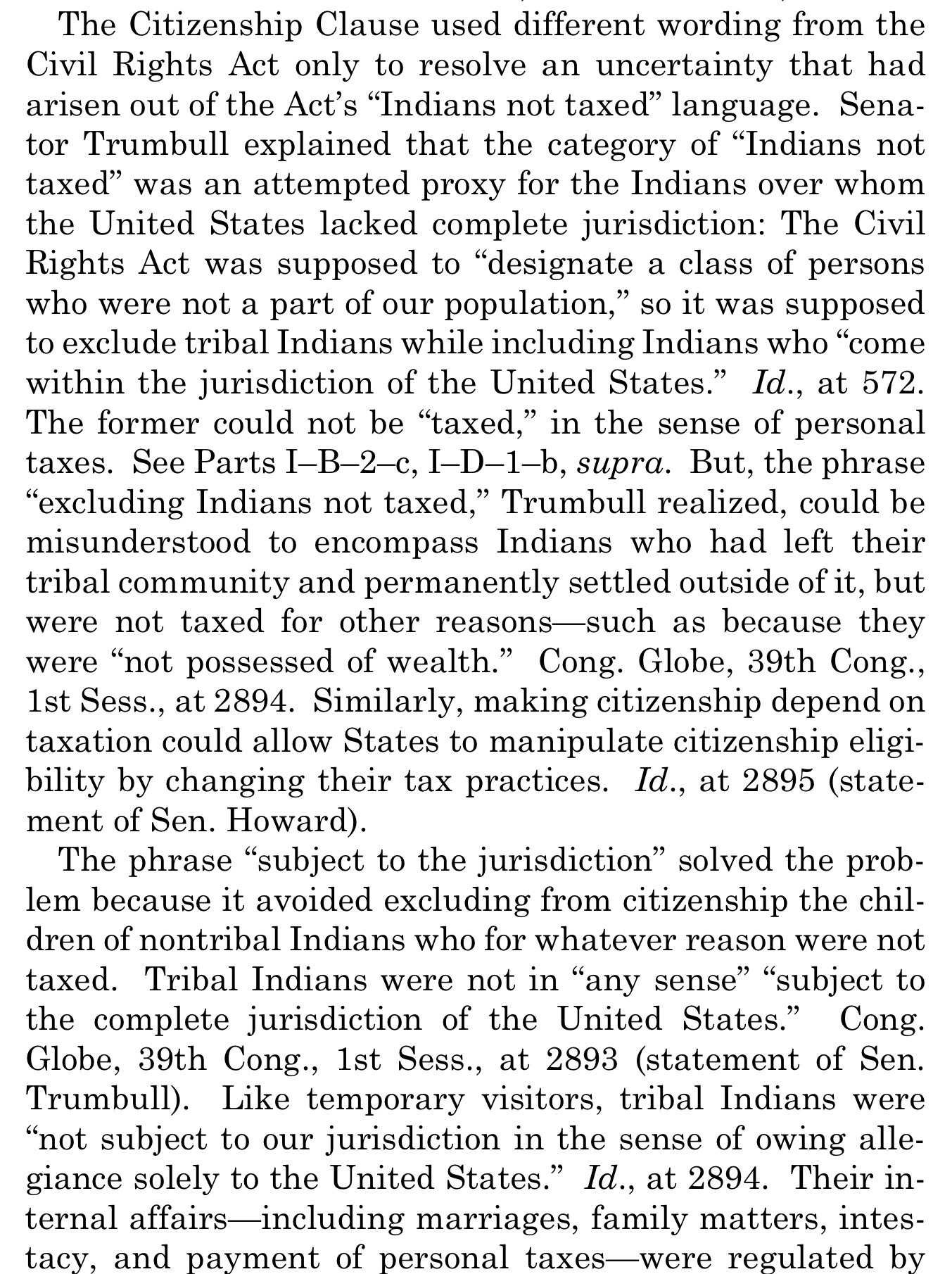
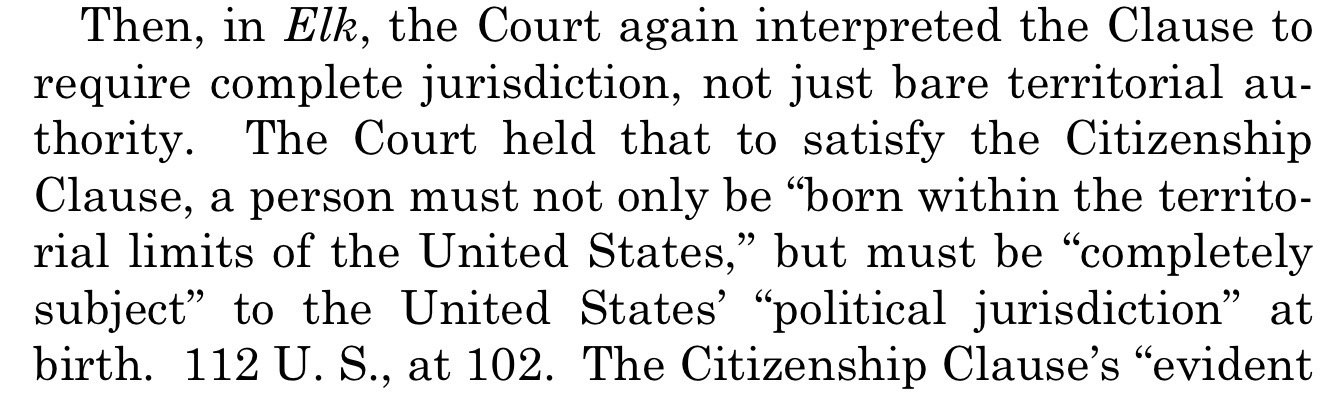
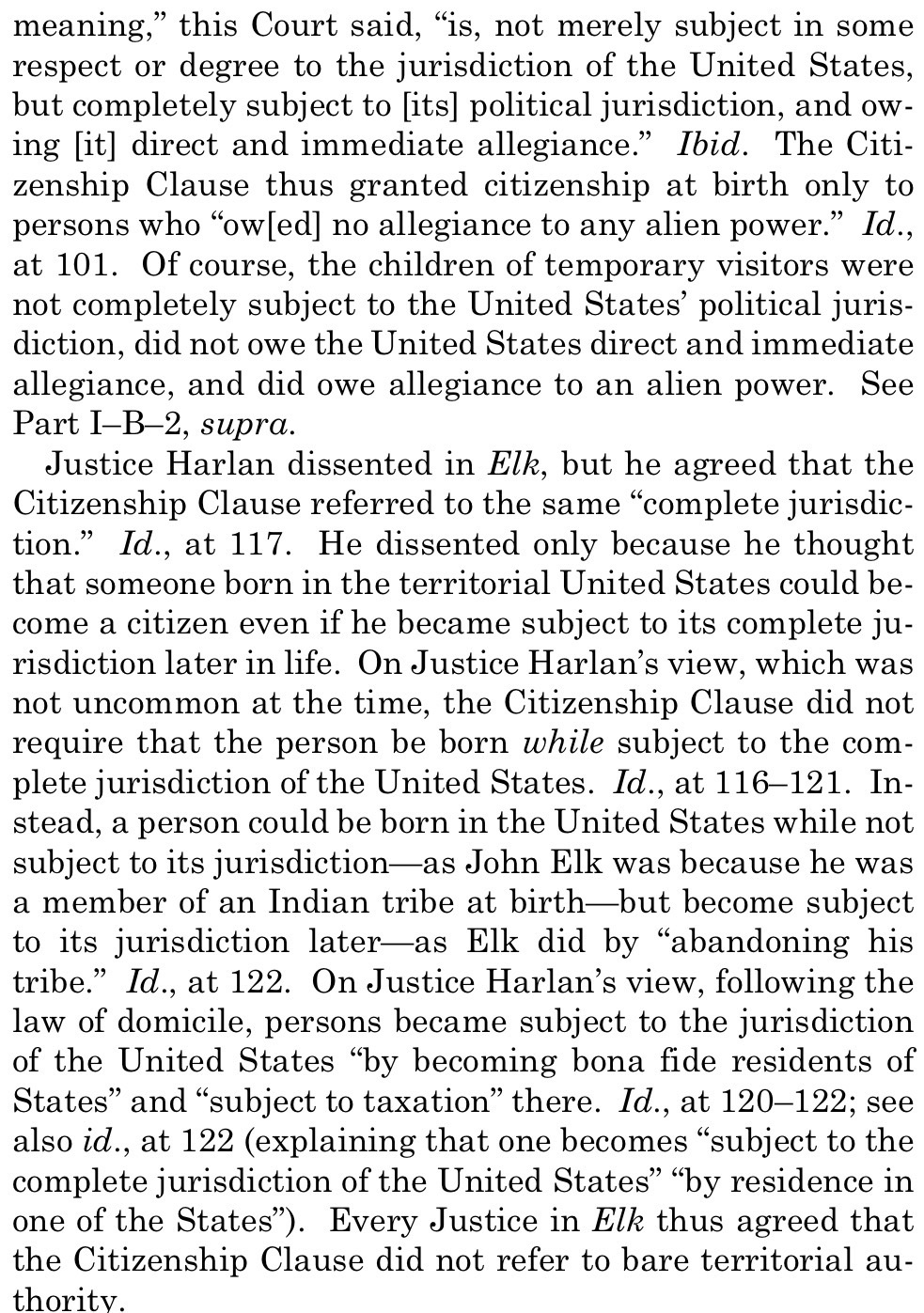
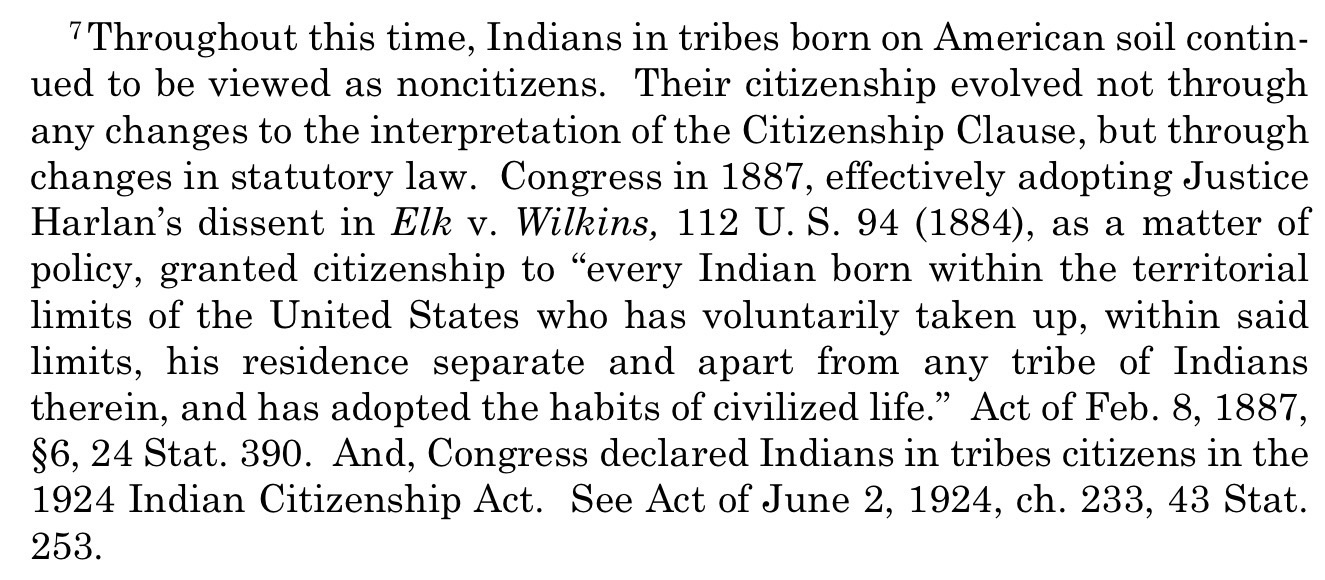
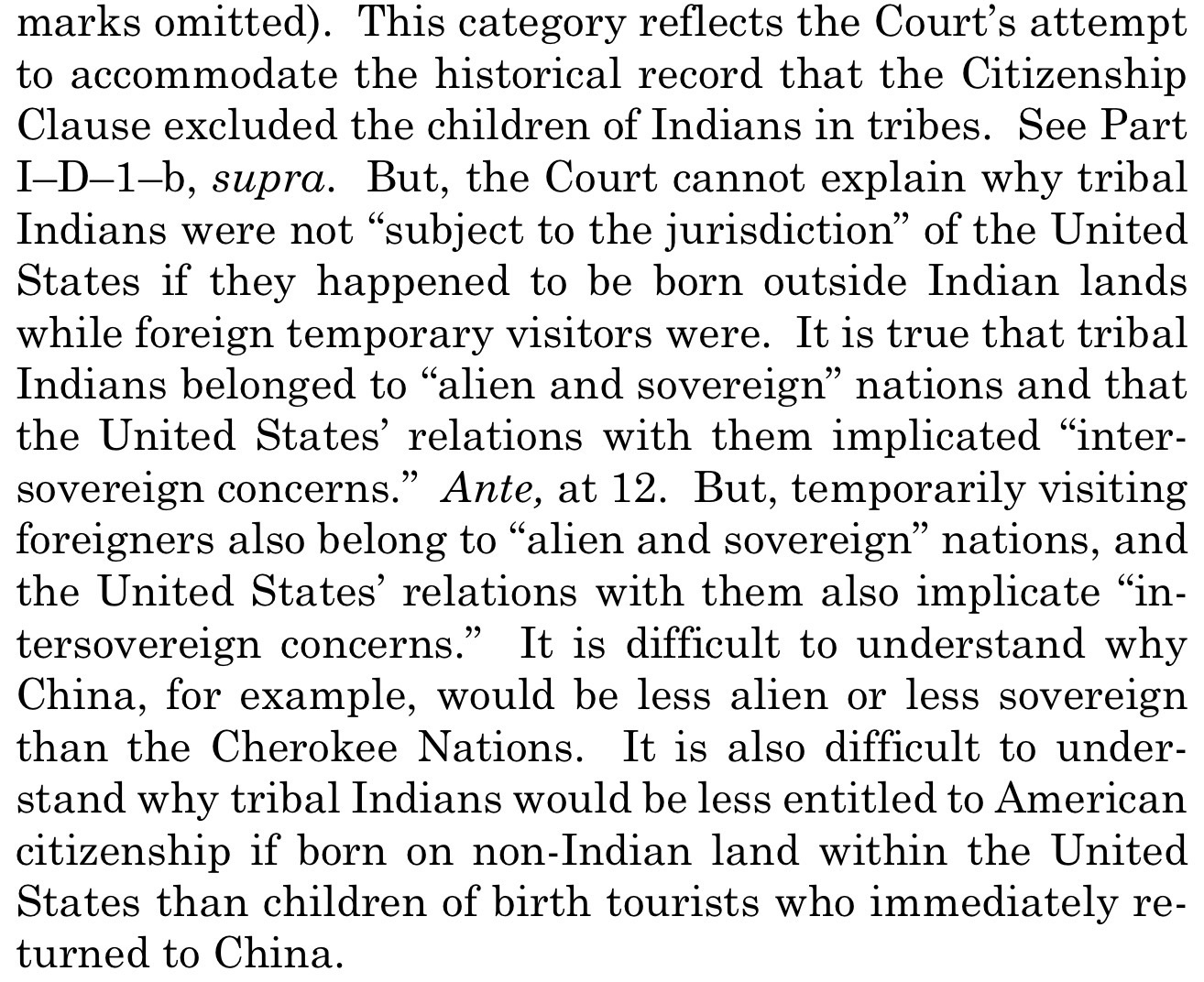
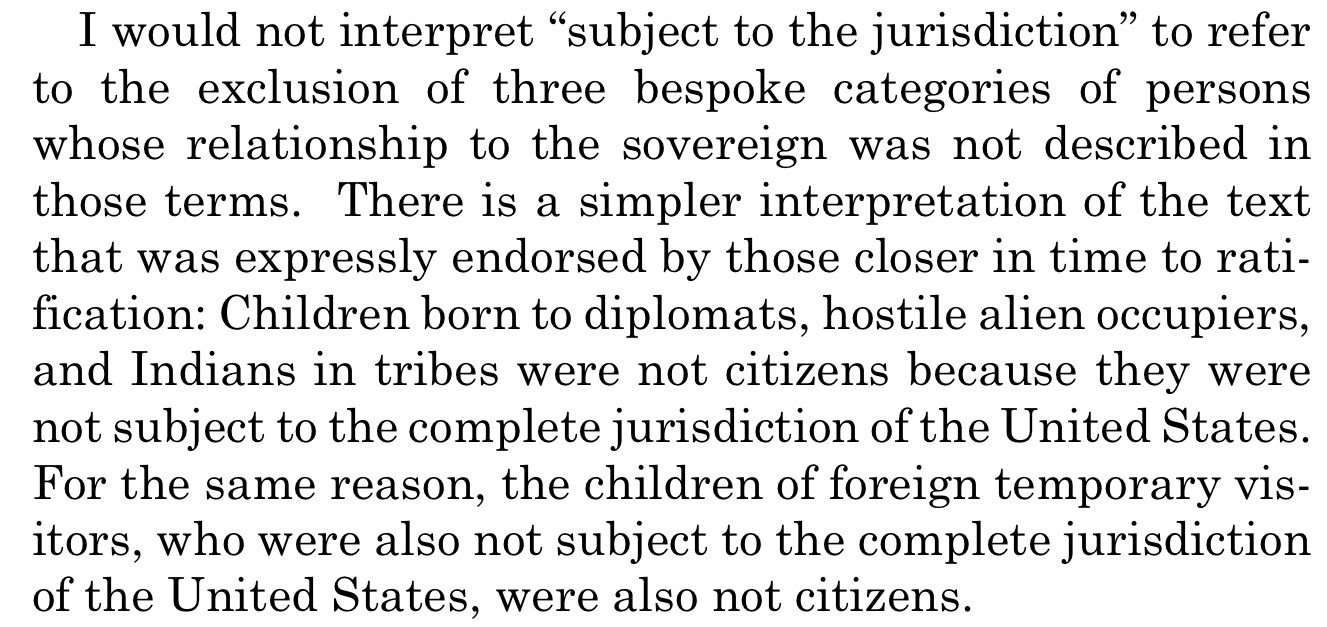
On August 28, 2026, the Turtle Mountain Band of Chippewa Indians, the Spirit Lake Tribe, and individual Native American plaintiffs in North Dakota moved for leave to file an amended complaint in the U.S. District Court for the District of North Dakota in Turtle Mountain Band of Chippewa Indians v. Howe. This filing follows a May 2026 U.S. Supreme Court decision sending the case back to the lower courts for reconsideration under a new legal standard.
Lake Ontario derives its name from Indigenous roots. In our traditional Seneca language, its name is sga:nyodai:yoh, meaning ‘beautiful lake.’ Long before the United States existed, and before settlers brought the English language to our lands, our Seneca and Haudenosaunee ancestors traveled Lake Ontario and surrounding waterways for many reasons, including diplomacy among our nations. Now, we are seeing the exact opposite of diplomacy.
The action that President Trump is taking is starkly un-presidential and demeaning to his office and his standing as the leader of the free world. His blatant disrespect toward the Seneca people, other Haudenosaunee nations, and all Indigenous people is unacceptable.
The President cannot assert ownership over our culture or erase it through irresponsible political action. His order should be rescinded, and the name Lake Ontario should be left as it is, reflective of the Seneca people, other Haudenosaunee nations and all Indigenous people surrounding the lake.
To us, Lake Ontario is not a political pawn. It does not separate the countries of the United States and Canada. It is all Indigenous land, which has been occupied by Indigenous people since time immemorial.
In 1794, President George Washington and the Seneca and other Haudenosaunee nations signed the Treaty of Canandaigua, promising to live in peace and friendship with one another. The United States also promised our people the free use and enjoyment of our lands forever. President Trump’s aggression toward our culture with his Executive Order violates that peace, friendship and commitments of the Canandaigua treaty. This is the latest in a long history of willful attempts to disregard the United States’ commitments to the Seneca and other Haudenosaunee nations. President Trump needs to be reminded of those commitments.
I would also remind the President of the tenets of the United States Constitution, where Article 6 clearly states that treaties are the ‘supreme Law of the Land,’ and need to always be honored as such.
We will always call Lake Ontario by the name derived from the language of our ancestors – the name that, like the strength and influence of the Seneca people, will live on forever, long after the intrusive political tirades of individual men.
All Native Nations need to stand united to vocally and forcefully reject this change. We are also calling on all federal, state and local representatives – regardless of political party – to stand with the Seneca Nation and oppose the President’s Executive Order.
Scholars of critical toponymy have long observed that naming geographic features is an exercise of political power as colonial and imperial governments use renaming to inscribe their authority onto Indigenous landscapes, to legitimate their territorial claims, and to displace Indigenous relationships to place. Trump’s Executive Order is explicit about doing just that. It states that the lake “has long been an integral asset to American exploration, settlement, commerce, and defense” and it notes that the US “claims most of the Lake’s volume.”
Historical Geographies of Place Naming: Colonial Practices and Beyond by Beth Williamson. (“Naming or renaming was fundamental to the extension of imperial control over physical and human environments,” inscribing imperial authority onto landscapes, legitimizes colonial occupation, and weakens Indigenous claims by removing Indigenous traces from the visible geography.)
In US District Judge Richard Leon’s August 13 decision denying TO’s request for a preliminary injunction to stop construction the border wall on its reservation, he said:
While I have concluded that a preliminary injunction is unwarranted, I fully expect the Government in the months ahead to follow through on its guarantees of consultation and cooperation with the Nation to address the Nation’s concerns regarding border wall construction!
But TO reported that on August 25 at about 4 am, roughly 20 masked and armed Customs and Border Protection agents, plus border wall contractors, BIA law enforcement personnel, and a CBP BORTAC SWAT team entered TO lands. Work immediately began with soil sampling and other activities. TO reported that CBP used a vehicle blockade to prevent TO police from removing or citing the contractors.
Also, on Friday, August 28, TO asked the district court to stay its ruling while it appeals to the D.C. Circuit.
We are “reluctant to read into ambiguous statutory text” a “radical or fundamental change” to that longstanding statutory scheme. Congress did not take a wrecking ball to all sports gambling regulations built up over decades by federal, state, and tribal governments when it amended the CEA to add the definition of swap we are considering today.
I’m adding two valuable memos by Monte Mills and Martin Nie to the Roadless Rule resources posted yesterday. Mills is the Charles I. Stone Professor of Law and Director of the Native American Law Center at the University of Washington, where his work focuses on Federal Indian law, Tribal sovereignty, and natural resources. Nie is Professor of Natural Resources Policy and Director of the Bolle Center for People & Forests at the University of Montana, with particular expertise in federal public lands governance.
Their September 2025 memo provides historical and legal background on Tribal interests in the original Roadless Rule and later Idaho, Colorado, and Tongass rulemakings. Their new August 28, 2026 memo focuses on USDA’s proposed rule and Draft EIS, including what they describe as a “shell game” of shifting protection from a national rule to forest- and project-level processes while some of those protections are themselves being weakened. They also report that 108 of 126 current forest plans, about 86%, provide no substantive recognition or meaningful protection of Tribal rights or interests.
These pair well with the ILPC papers that I created and posted yesterday, which approach the rulemaking from a different direction. One analyzes what Tribes actually placed in the 2025 administrative record and USDA’s response to those concerns, while the other addresses strategic considerations for Tribal Nations before the September 21 comment deadline, including relevant legal doctrines and other hooks for building and preserving the administrative record.
In March, Matthew posted the Minnesota Supreme Court’s decision rejecting an equal protection challenge to ICWA for lack of standing. The foster parents have now asked SCOTUS to review that decision. On August 26, the Minnesota AG, Red Lake Nation, the children’s guardian ad litem, the mother, and Faribault-Martin County Human Services filed their brief in opposition.
The petitioners ask the Court to decide the equal protection question that the Court didn’t reach in Brackeen, arguing that ICWA and the Minnesota Indian Family Preservation Act impose race-based placement preferences. They also ask the Court to review a First Amendment claim that denying intervention because the foster parents raised a constitutional challenge was itself unconstitutional.
The brief in opposition identifies substantial obstacles to review that make the case a poor vehicle for resolving the equal protection issue left unresolved in Brackeen while also separately arguing that the equal protection claim should fail on the merits since ICWA/MIPFA use political rather than racial classifications under Morton v. Mancari. It also defends the intervention denial as constitutional.
You must be logged in to post a comment.