Here:
Briefs are here.
One of my favorite people, Melody McCoy, a Cherokee citizen and Michigan alum, argued for the respondents. Izhaadaa giizhigowande!
Continue readingHere:
Briefs are here.
One of my favorite people, Melody McCoy, a Cherokee citizen and Michigan alum, argued for the respondents. Izhaadaa giizhigowande!
Continue readingHere are the materials in City of Seattle v. Sauk-Suiattle Tribal Court (W.D. Wash.):

Tribal court suit here.
The Turtle Mountain Band of Chippewa Indians, Spirit Lake Tribe, and several individual voters filed suit in North Dakota challenging North Dakota’s state legislative map as unlawfully diluting the voting rights of Native Americans in violation of Section 2 of the Voting Rights Act (VRA). You can see the complaint here.
Press release is here.


Indigenous Law & Policy Center & Tribal In-House Counsel Association 19th Annual Indigenous Law Conference
Each year, the conference sponsors one American Indian, Alaska Native, or Native Hawaiian artist whose work is featured on digital and print conference materials which may be adapted for use. Artists of all mediums are encouraged to submit their work.
To inquire about or to submit artwork, please email MSU ILPC at indigenous@law.msu.edu
Include the following:
Doreen N. McPaul, President of TICA: dmcpaul@nndoj.org
MSU ILPC: indigenous@law.msu.edu
Gabriela Gendreau, MSU ILPC Communications Coordinator: ggendreau@law.msu.edu
View past conference artwork here: https://turtletalk.blog/indigenous-lawprogram/ilpc-artwork/
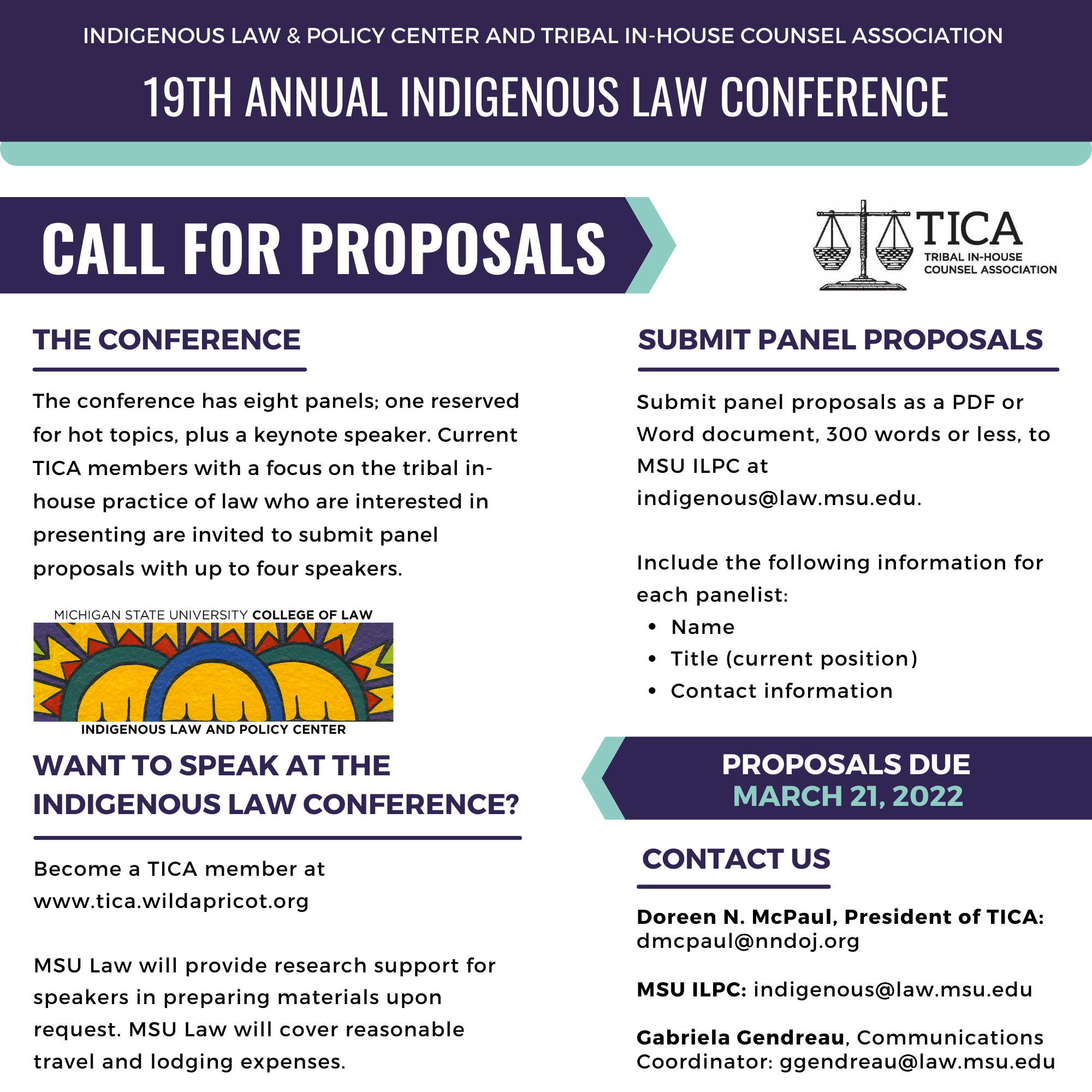
Indigenous Law & Policy Center & Tribal In-House Counsel Association 19th Annual Indigenous Law Conference
The conference has eight panels; one reserved for hot topics, plus a keynote speaker. Current TICA members with a focus on the tribal inhouse practice of law who are interested in presenting are invited to submit panel proposals with up to four speakers.
Become a TICA member at www.tica.wildapricot.org
MSU Law will provide research support for speakers in preparing materials upon request. MSU Law will cover reasonable travel and lodging expenses.
Submit panel proposals as a PDF or Word document, 300 words or less, to MSU ILPC at indigenous@law.msu.edu
Include the following information for each panelist:
Doreen N. McPaul, President of TICA: dmcpaul@nndoj.org
MSU ILPC: indigenous@law.msu.edu
Gabriela Gendreau, MSU ILPC Communications Coordinator: ggendreau@law.msu.edu
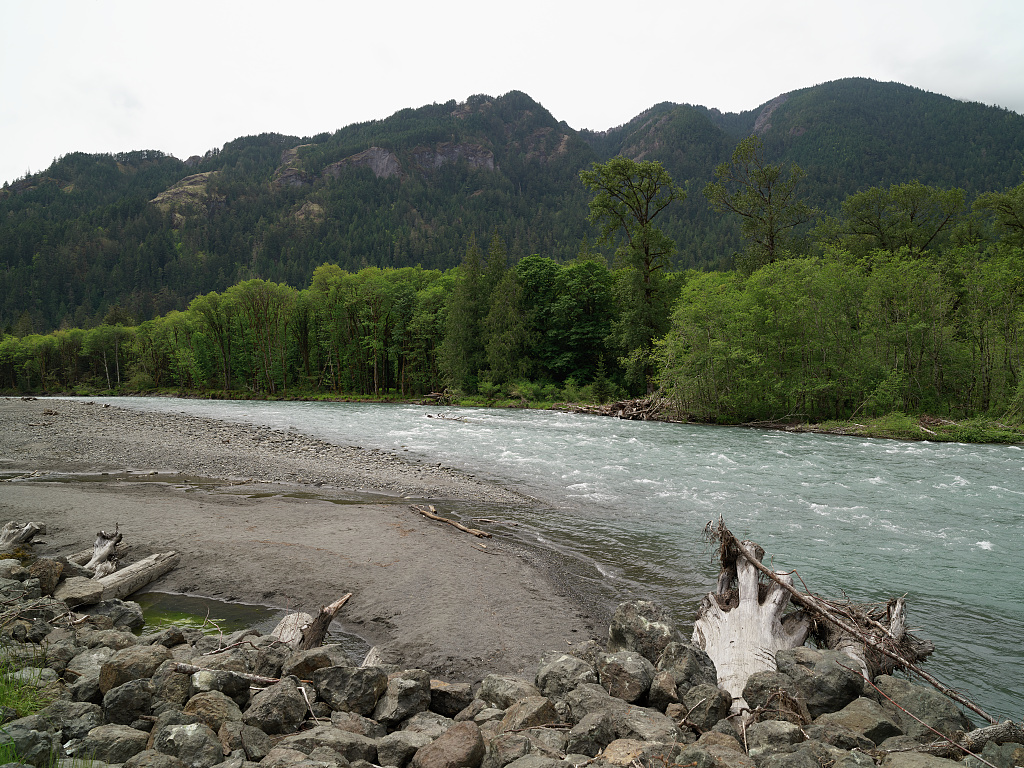
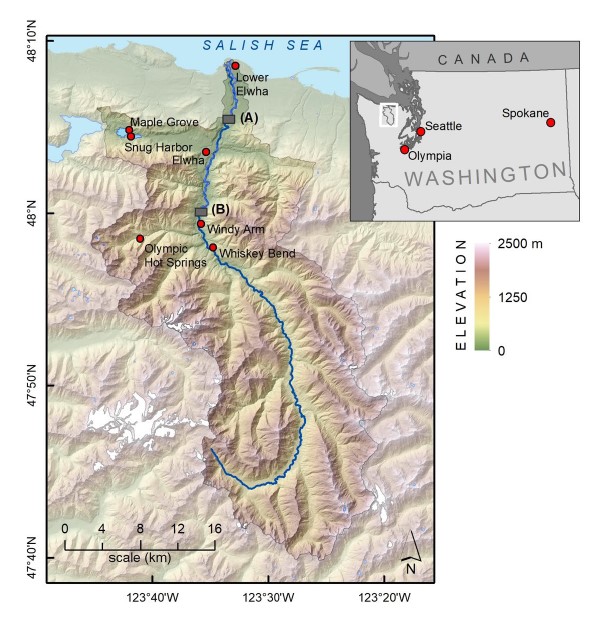
Coleen A. Fox, Nicholas J. Reo, Brett Fessell, and Frank Dituri have published “Native American Tribes and Dam Removal: Restoring the Ottaway, Penobscot and Elwha Rivers.“

The abstract:
Since the early 1900s, more than 1700 dams have been removed from rivers in the United States. Native American Tribes have played a key role in many significant removals, bringing cultural, economic, and legal resources to bear on the process. Their involvement contrasts with the displacement and marginalisation that have historically characterised the relationship between Native Americans and the dams built by settler – colonial governments on their rivers. Our research investigates Tribal involvement in dam removals, with examples from the Ottaway, Penobscot, and Elwha rivers. We ask the following: what roles have Tribes played in successful removals? How do dam removals affect and reflect shifting relations between Tribal governments and non-Tribal actors? Our research finds that Tribal involvement provides opportunities for inserting underacknowledged values and resource claims into dam removal efforts, and that it facilitates new collaborations and alliances. We also find evidence of Tribal involvement affecting the nature and practice of river restoration through dam removal. We conclude that the involvement of Tribes in dam removal contributes to important shifts in environmental politics in the US, and that it also creates opportunities for restorative environmental justice for Native Americans and their rivers.
HIGHLY recommended.

Here is the statement from the U.N. Special Rapporteurs.

PROGRAM ELIGIBILITY
CILA welcomes Native American and Alaska Native college juniors, seniors, recent college graduates, and professionals with an interest in law school to apply. The program will guide you through the law school application process and pair you with an attorney mentor. Preference given to those with California ties.
DATES & LOCATION
March 18-19, 2022 Virtual via Zoom
ONLINE APPLICATION AVAILABLE AT
https://bit.ly/3zNVBXo
ALL ADMITTED PARTICIPANTS HAVE THE CHANCE TO QUALIFY FOR AN LSAT TEST PREP SCHOLARSHIP
APPLICATION DEADLINE
5:00 PM PST FEB. 18, 2021

June 8-12, 2022
383 South University St
Salt Lake City, UT 84112
University of Utah S.J. Quinney College of Law
The Native American Pathway to Law Pre-Law programs educate and help students successfully navigate the law school application process. The Eighth Annual workshop will assist participants in preparing competitive applications. Come learn how to successfully apply to law school and network with law school professionals.
Topics covered:
• Learn about law school and career options
• Obtain information about the varied admissions criteria for law school
• Work with mentors to develop an effective application, resume, and personal statement
• Explore law school funding options
• Receive test prep tips for the LSAT
• Network with other participants, faculty, and professionals
• Hear from former and current American Indian law students
Apply at: https://law.asu.edu/pathway-to-law
Space is limited. Register by April 15, 2022.
Questions? Contact Simon Goldenberg at sgoldenberg@asu.edu
Here are the materials so far in Kewadin Casinos Gaming Authority v. Draganchuk (W.D. Mich.):
1-6 State Court Motion for Contempt
1-7 State Court Hearing Transcript on Motion to Dismiss
1-8 State Court Motion to Compel
1-9 State Court Denying Summary Disposition for Kewadin
1-10 State Court Order Denying Motion to Dismiss by Kewadin
1-11 State Court Order re Discovery Motion
1-12 State Court Order to Show Cause
1-13 State Court Motion to Dismiss
1-14 State Court Response to Discovery Motion

Prior federal court suit here.
Last Friday’s D.C. Circuit opinion explains one of the many reasons the Lansing casino project died.
 Turtle Talk
You must be logged in to post a comment.