Ray Cross and Alex Skibine Walk On

It’s been a terrible last few weeks in Indian law — two of the most accomplished, passionate, and delightful Native men I have ever met have walked on. More when I gather myself.

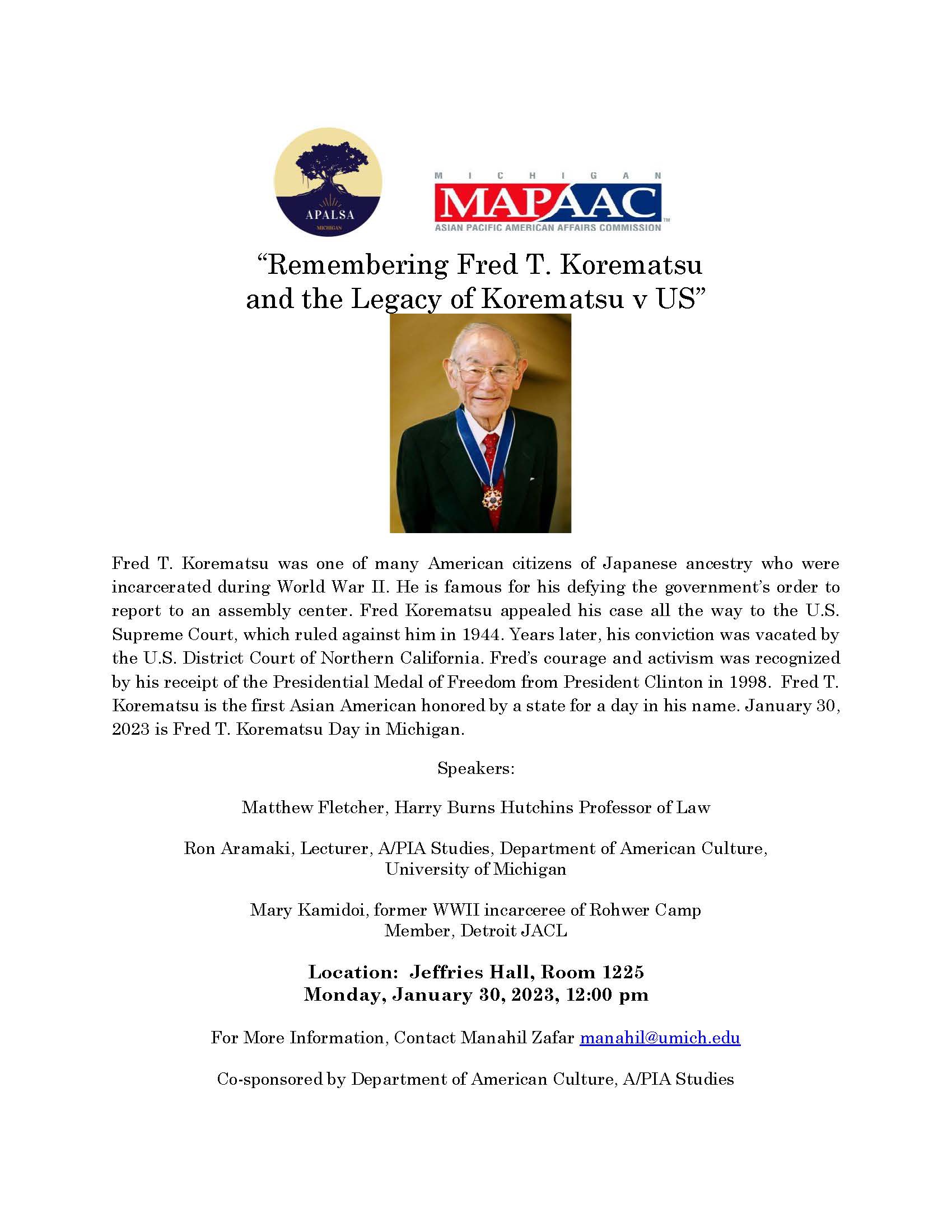
Here is the notice for Ray Cross, who died on January 24, 2023.

Here is the notice for Alex Skibine, who died on February 4, 2023.

Oklahoma Federal Court [with New Mexico Judge] Dismisses Cherokee Citizens Claims against Oklahoma on State Court Exhaustion Grounds

Here are the materials in Pickup v. District Court of Nowata County (N.D. Okla.):

18 Counties Motion to Dismiss

24 District Attorneys Motion to Dismiss

27 Towns Motion to Dismiss

70 Clerks Motion to Dismiss

71 Clerk Edwards Motion to Dismiss

72 Clerk Newberry Motion to Dismiss

75 Opposition to 18

76 Opposition to 24

77 Opposition to 27

78 Opposition to 70

79 Opposition to 71

80 Opposition to 72

84 Reply in Support of 18

85 Reply in Support of 24

86 Reply in Support of 27

87 Owasso Motion to Dismiss

88 Reply in Support of 70

89 Reply in Support of 71

90 Reply in Support of 72

94 Opposition to 87

95 Reply in Support of 87

143 Tribes Motion to File Amicus Brief

143-1 Amicus Brief

170 DCT Order

Complaint here.

Materials re: Opposition to Proposed U.S. v. Michigan Consent Decree [updated]

Lots of lawyers making money on what appears to be utterly farcical litigation.

Here are the updated materials in United States v. Michigan (W.D. Mich.):

2074 State Opposition to Motion to Reconsider

2075 GTB Response to Motion to Reconsider

2076 Federal and Tribal Opposition to Sault Motion to Reconsider Stay Order

2077 Sault Tribe Objections to Proposed Consent Decree

2078 Sault Tribe Motion

Prior post with the details of the consent decree here.

Here are materials in an interlocutory (?) appeal on whether the amici can formally intervene in the case (there is a federal brief, joined by the four tribes who signed onto the consent decree, that is sealed):

Fletcher on Due Process and Equal Protection in Michigan Anishinaabe Courts

The Michigan State Law Review Forum has published my short article, “Due Process and Equal Protection in Michigan Anishinaabe Courts.” Check it out.

Burt Lake Band Attempting to Re-open Federal Recognition Suit

Here are the new materials in Burt Lake Band of Ottawa and Chippewa Indians v. Haaland (D.D.C.):

63-1 Burt Lake Motion

Docket No. 64: MINUTE ORDER. Federal courts are courts of limited jurisdiction and the law presumes that “a cause lies outside this limited jurisdiction.” Kokkonen v. Guardian Life Ins. Co. of Am., 511 U.S. 375, 377 (1994); see also Gen. Motors Corp. v. EPA, 363 F.3d 442, 448 (D.C. Cir. 2004) (“As a court of limited jurisdiction, we begin, and end, with an examination of our jurisdiction.”). Subject matter jurisdiction may not be waived, and “courts may raise the issue sua sponte.” NetworkIP, LLC v. FCC, 548 F.3d 116, 120 (D.C. Cir. 2008), quoting Athens Cmty. Hosp., Inc. v. Schweiker, 686 F.2d 989, 992 (D.C. Cir. 1982). Indeed, a federal court must raise the issue because it is “forbidden… from acting beyond [its] authority, and ‘no action of the parties can confer subject-matter jurisdiction upon a federal court.'” Id., quoting Akinseye v. Dist. of Columbia, 339 F.3d 970, 971 (D.C. Cir. 2003). In connection with the 63 Motion to Rule Upon Constitutional Claims and For Permanent Injunction, then, plaintiff must show cause by January 6, 2023 why the question of the validity of the proposed rule would be ripe at this time, and why the Court has subject matter jurisdiction to consider the constitutional issues when there is no live controversy before it. The 2015 rule has been vacated but its replacement has not yet been promulgated, so plaintiff must explain why it is not simply seeking an advisory opinion. SO ORDERED. Signed by Judge Amy Berman Jackson on 12/23/2022. (lcabj2) (Entered: 12/23/2022)

65 Burt Lake Response

66 Interior Response

Prior post here.

Emily Harwell on the Effects of McGirt

Emily N. Harwell has published “Judicial Discretion Across Jurisdictions: McGirt’s Effects on Indian Offenders in Oklahoma” in the Cornell Law Review. PDF.

HIGHLY RECOMMENDED.

Here is the abstract:

Oklahoma’s exercise of criminal jurisdiction over crime committed on tribal reservations remained unchecked until 2020. In McGirt v. Oklahoma, the Supreme Court held that the Muscogee Creek Nation’s reservation had in fact never been disestablished and remains in existence today. In doing so, the Court restored criminal prosecution authority to tribal and federal courts. McGirt received praise throughout the United States from tribal nations and federal Indian Law practitioners for Justice Gorsuch’s strong affirmation of the Muscogee Creek’s sovereignty over its reservation and the honoring of treaties made between the United States and the Muscogee Creek Nation. Similarly situated tribes in Eastern Oklahoma including the Cherokee, Choctaw, and Chickasaw have already joined the Muscogee Creek Nation in asserting the changes that McGirt brings.

In the wake of this change, legal and political discussion has centered around practical matters: Does the Tribe have adequate resources for managing criminal jurisdiction within its reservation? Will the increase in cases overload the federal court system? The question of how the change in prosecutorial authority will affect Native American criminal defendants has yet to be asked, though. This Note assesses the effects of McGirt on the sentencing of Native Americans who commit crimes on a reservation in Oklahoma. Oklahoma state court judges exercise discretion in areas of sentencing different from federal court judges. Existing empirical studies suggest federal sentencing produces harsher, lengthier sentences than state courts. By comparing Oklahoma and federal court sentencing data, this study attempts to answer whether McGirt‘s celebration of tribal sovereignty is simultaneously a devastating blow to Native American criminal defendants committing crimes on tribal reservations in Oklahoma.

Buena Vista Rancheria Brings Federal Common Law Nuisance Action against Surface Lands Strip Mining Company

Here is the complaint in Buena Vista Rancheria of the Me-Wuk Indians v. Pacific Coast Building Products Inc. (E.D. Cal.):

Second Circuit Allows Thruway Trespass Suit against New York to Proceed

Here are the materials in Seneca Nation v. Hochul:

Lower court materials here.

Ninth Circuit Rejects Leadership Claims of Alturas Rancheria Faction

Here is the opinion in Alturas Indian Rancheria v. Bernhardt.

Briefs and lower court materials here.