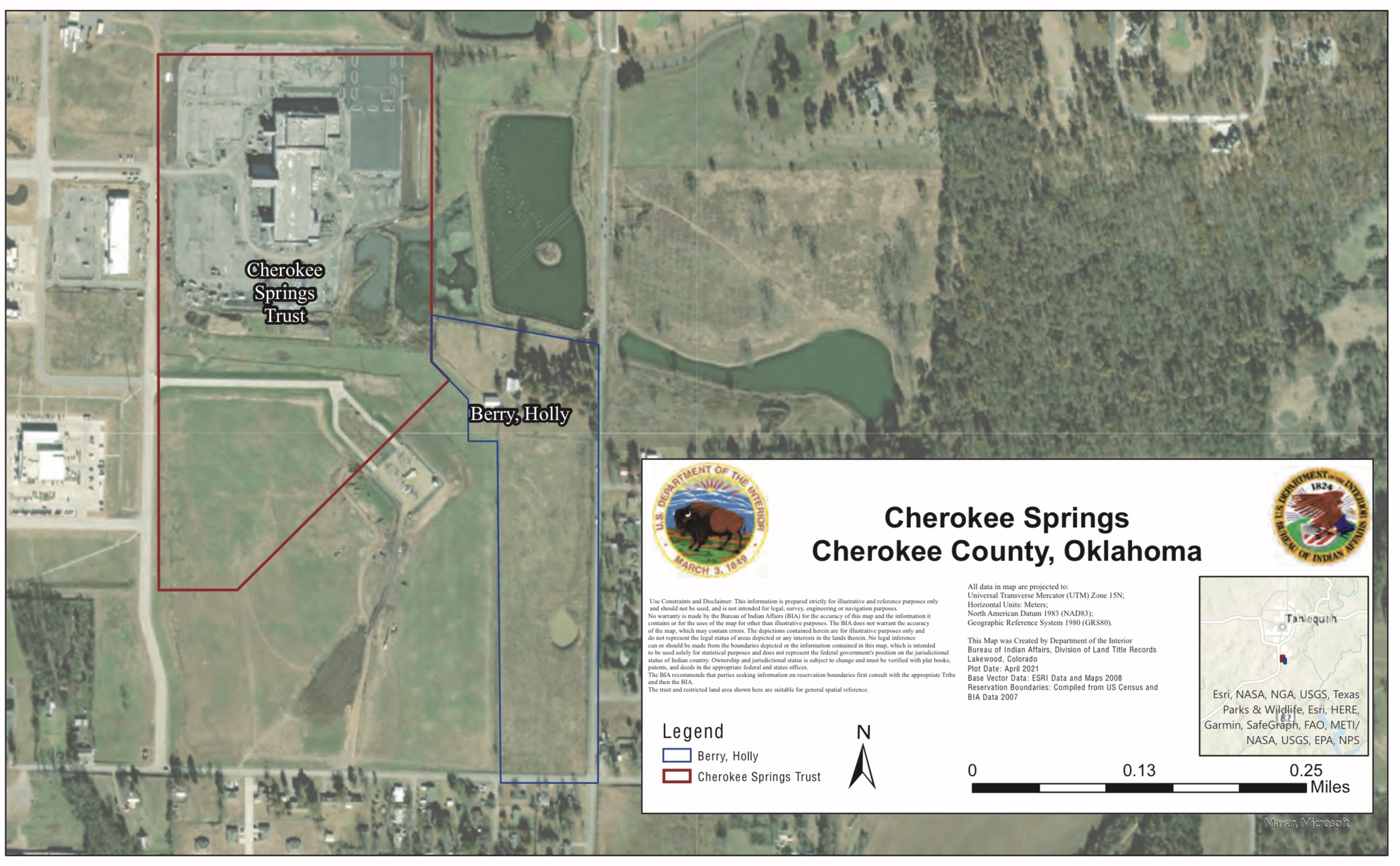
Here:
Lower court materials here.

Here.

Here is the petition in Sault Ste. Marie Tribe of Chippewa Indians v. Haaland:
Panel stage materials here.
Here is the opinion in Sault Ste. Marie Tribe of Chippewa Indians v. Haaland.
Briefs here.
For commentary on legal analysis by reading the dictionary, see Joseph Kimball’s work on the Michigan Supreme Court’s use of dictionaries.
Here is the complaint in Maverick Gaming LLC v. United States (D.D.C.):
Here are the new materials in Seneca Nation v. State of New York (W.D. N.Y.):
Here are the materials in Cal-PAC Rancho Cordova LLP v. Dept. of the Interior (E.D. Cal.):
William Wood has published “The (Potential) Legal History of Indian Gaming” in the Arizona Law Review. PDF
Here is the abstract:
Indian gaming—casinos owned, operated, and regulated by Indian tribes—has been a transformative force for many Indigenous nations over the past few decades. The conventional narrative is that Indian gaming began when the Seminole Tribe of Florida opened a bingo hall in 1979, other tribes began operating bingo, litigation ensued across the continent, and the U.S. Supreme Court recognized tribes’ rights to operate casinos on their reservations in 1987, in California v. Cabazon Band of Mission Indians. Congress then passed the Indian Gaming Regulatory Act in 1988, ushering in the modern Indian gaming era.
This Article provides a heretofore-untold account of the early Indian gaming jurisprudence and related developments. Judges in the earliest Indian gaming cases, which have gone unnoticed, ruled against tribes. Then a series of cases involving the applicability of state law to mobile homes and cigarette and fireworks sales on Indian reservations produced a test under which states could exercise jurisdiction on reservations over activities they prohibit off-reservation but lack jurisdiction over activities they do not prohibit but only regulate. The Supreme Court used this test in Cabazon to hold that state laws did not apply to tribes’ bingo halls and cardrooms.
This Article details the development of the legal doctrine around Indian gaming and how the people involved—legal services attorneys working with legal scholars at the behest and on behalf of Indigenous peoples asserting their sovereignty against state pushback—changed the course of the jurisprudence, providing the framework that yielded the result in Cabazon and Indian gaming as it exists today.
Highly entertaining and recommended.

Merits Stage
Alabama-Coushatta Tribe of Texas Amicus Brief

Cert Stage
Ysleta Del Sur Pueblo’s Cert Petition
Reply of petitioners Ysleta del Sur Pueblo
Brief amicus curiae of United States in favor of SCOTUS review
Fifth Circuit
Texas v Ysleta del Sur Pueblo 5th Circuit Opinion
Alabama-Coushatta Tribe Amicus Brief
District Court
54 tribe supplemental memo re cause of action
83 Tribe Motion to Dismiss First Amended Complaint
97 Texas Motion to Dismiss Counterclaims
121 First Amended Counterclaims
146 Texas Motion for Summary Judgment
147 Texas AG Motion for Summary Judgment
153 Tribe Response to Texas AG
Here:
Questions presented:
1. In view of Sherrill, whether New York tribes exercise “concurrent” jurisdiction over fee lands within the plenary taxing and regulatory authority of the state and local governments, thereby enabling those tribes to engage in gaming under the Indian Gaming Regulatory Act (IGRA), and cause the same or greater disruptions of settled expectations condemned by this Court in Sherrill.
2. Whether fee lands under plenary state and local taxation and regulation (per Sherrill) constitute “Indian lands” under IGRA because those lands are located within the Cayugas’ historic reservation.
3. Whether the Cayuga Nation’s ancient reservation was disestablished.
Lower court materials here.
You must be logged in to post a comment.